We might only glance at an outfit for a split second on the street. Yet, the actual weight and shape of a well-made piece can make us love it for years. Today’s fashion world is flooded with flimsy, chemical-coated synthetics, leaving our clothing feeling literally flat. We’ve swapped the heavy, natural drape of raw fibers for cheap, static-prone plastics.
But there is a quiet pushback happening against all this mass production. Designers are starting to ignore the fast-fashion machine, choosing instead to return to the raw, natural feel of pure flax.
This focus on raw materials runs deep in Baltic history. Operating right here out of a quiet studio in Kaunas, Lithuania, independent, family-run brands are proving a point. They are showing the world that high quality linen clothes aren’t about catchy marketing—it’s about how the fabric actually feels and falls. Take Sonfre, for example. Founders Laura and Mantas entirely reject the conveyor-belt approach of modern retail. Instead, they run a small, made-to-order studio where every single piece is cut and sewn with real intention.
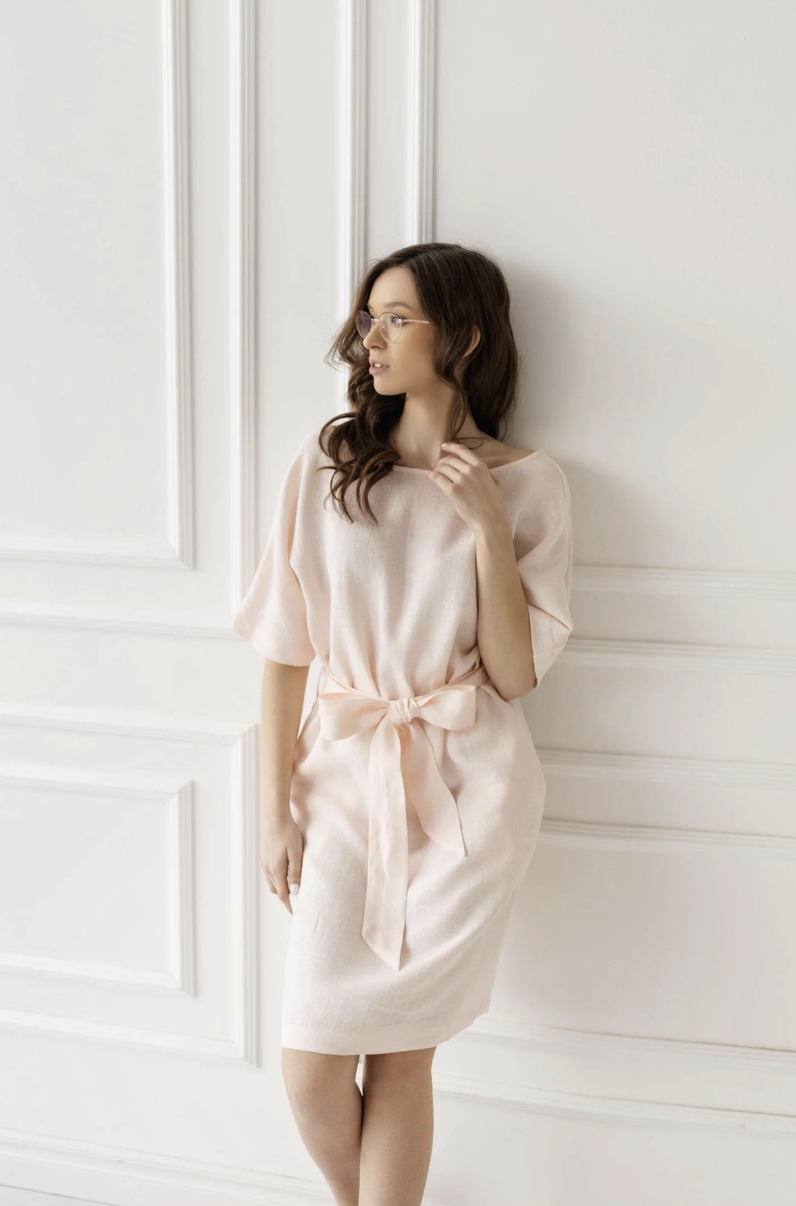
The secret to their whole approach is pure, medium-weight Baltic linen. Cheap mass-market linen is usually thin and wrinkles instantly. Medium-weight flax, though, is completely different; it acts almost like clay for a sculptor. It starts off with a crisp feel, then slowly softens over time without ever losing its solid, heavy structure. When you wear it, it never clings. It just hangs with a substantial, architectural presence that moves beautifully with you.
This sweet spot between structure and softness completely changes what sustainable linen clothing can look like. Instead of using the tight, restrictive seams you would see in mid-century tailoring, their clothes rely on clean, geometric drapes that just naturally fit the body
Making these fluid shapes work practically is actually a pretty tricky pattern-making challenge. If you put pockets in the wrong spot, they pull the fabric diagonally and ruin the garment’s clean vertical lines. To fix this, they engineer the pockets right inside the side seams. It gives you the everyday practicality you need without breaking the smooth, elegant flow of the textile.
At the end of the day, real luxury isn’t about flashy, seasonal trends. It is about the physical connection between the person wearing the clothes, the person who made them, and the raw material itself. By going back to the heavy drape of Baltic flax and made-to-order craft, we get to dress in a way that feels deeply personal and is built to last.