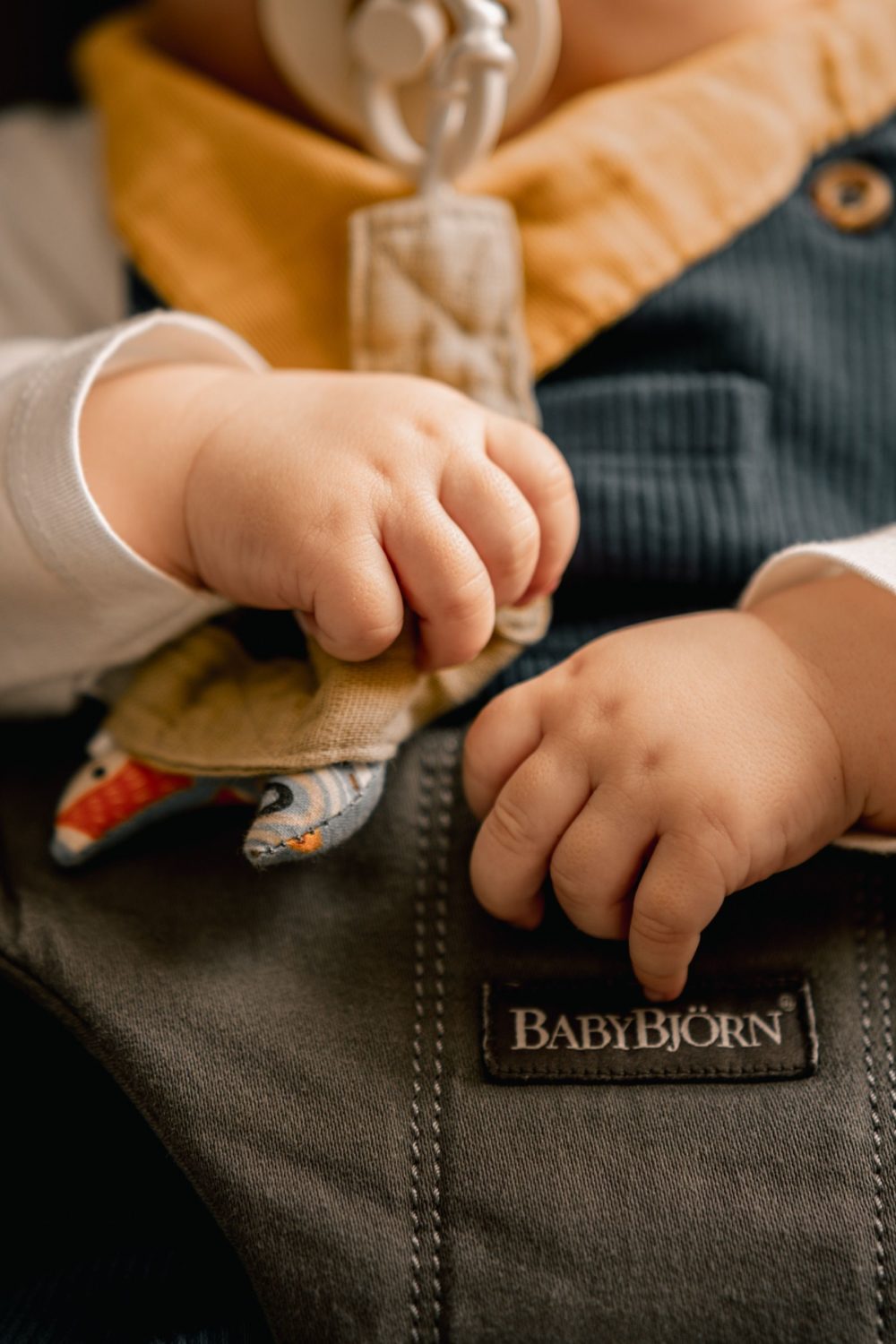
The transition from the warm, dark, and highly regulated environment of the womb to the bright, loud, and unpredictable outside world is one of the most profound shifts a human being will ever experience. Pediatricians often refer to the first three months of a newborn’s life as the “fourth trimester.” During this delicate phase, infants rely heavily on external support to regulate their nervous systems, adjust to sensory inputs, and find a sense of safety. For modern parents seeking to ease this transition while maintaining daily routines, incorporating a supportive Momcozy baby carrier into their parenting toolkits is more than a matter of convenience—it is a scientifically backed approach to physical, cognitive, and emotional development.
By mimicking the close, rhythmic environment of the womb, babywearing serves as a developmental bridge. It helps satisfy a newborn’s primary instinctual need for proximity, while simultaneously giving parents the physical freedom to move, care for older siblings, or complete daily tasks. Understanding the physiological and psychological mechanisms behind this practice reveals why keeping your infant close is one of the most nurturing choices you can make during their first year of life.
Demystifying the Fourth Trimester
To understand why infants crave constant contact, it is essential to look at human evolutionary biology. Compared to other mammals, human babies are born developmentally immature. While a newborn calf can stand and walk within hours of birth, a human infant is entirely dependent on caregivers for survival, warmth, and emotional regulation.
In the womb, a baby is constantly held, gently rocked by the mother’s movements, and enveloped in a continuous, low-frequency soundtrack of heartbeats and digestive murmurs. Upon birth, they are suddenly exposed to gravity, fluctuating temperatures, sudden silence, and bright light. This sudden change can easily overwhelm an infant’s underdeveloped nervous system.
Babywearing effectively extends the womb experience. When tucked securely against a caregiver’s chest, the infant is reintroduced to the reassuring cadence of a heartbeat, the warmth of skin-to-skin contact, and the familiar rhythm of human locomotion. This sensory continuity signals to the baby’s amygdala—the brain’s emotional processing center—that they are safe, drastically reducing stress levels and allowing their energy to be directed toward growth and healing rather than survival-driven crying.
Neurological and Sensory Benefits of Close Contact
The human brain grows more during the first year of life than at any other time. This rapid development is highly dependent on the quality of sensory inputs the infant receives. Babywearing provides a rich, controlled sensory environment that supports healthy brain architecture in several distinct ways.
Vestibular System Stimulation
The vestibular system, located in the inner ear, controls balance, spatial orientation, and coordination. When a baby is carried in an infant carrier, they experience every micro-movement of the wearer—whether walking, turning, bending, or shifting weight. These subtle movements stimulate the vestibular system far more effectively than laying flat in a stationary crib or stroller. This continuous stimulation helps the brain map the body’s position in space, laying the physical foundation for future milestones like rolling, sitting, and walking.
Co-Regulation of the Autonomic Nervous System
Infants do not possess the ability to self-soothe or regulate their own physiological states. Instead, they rely on “co-regulation” with a mature caregiver. When a baby is held close, their heart rate, breathing, and temperature naturally synchronize with the wearer’s. If an infant is startled or stressed, the physical contact of a calm adult acts as a regulator, bringing the infant’s elevated heart rate and cortisol levels back down to baseline. This safe, predictable loop of stress and immediate comfort builds a highly resilient nervous system over time.
Soothing the Gastrointestinal System: Colic and Reflux Relief
Many parents encounter the challenge of infant digestive discomfort in the early months. Conditions like gastroesophageal reflux (GERD), gas pain, and generalized colic can cause significant distress for both babies and parents. While medical interventions are sometimes necessary, physical positioning plays a massive role in managing these symptoms.
When a baby is laid flat on their back after feeding, gravity is unable to assist in keeping stomach acid and milk down. This can lead to painful spitting up, burning sensations in the esophagus, and severe discomfort. Holding a baby upright for 20 to 30 minutes after every feed is a standard pediatric recommendation to alleviate these symptoms.
Using a carrier makes this upright period hands-free and physically sustainable. The vertical alignment keeps the stomach below the esophagus, allowing gravity to naturally prevent acid reflux. Furthermore, the gentle pressure of the carrier fabric against the baby’s abdomen, combined with the warmth of the caregiver’s body and the motion of walking, acts as a natural massage for the digestive tract. This helps move trapped gas bubbles through the digestive system, bringing rapid relief to colicky infants.
Cognitive Development and Language Exposure
While infants spend a significant portion of their early months sleeping, their waking hours are crucial windows for cognitive development. When a baby is placed in a stroller or a playpen, their view of the world is often limited to ceilings, sky, or the lower half of a room. In contrast, a carried baby sits at adult eye level, completely transforming their perspective.
From this elevated vantage point, infants are exposed to a wealth of social cues. They observe facial expressions, listen to the cadence of adult conversation, and watch daily tasks being performed. This active participation in daily life stimulates the mirror neurons in the brain, which are critical for empathy, imitation, and learning.
Moreover, language acquisition is significantly boosted when babies are carried. Because the baby is close to the caregiver’s face, they can clearly hear the subtle phonemes of speech and observe the mouth movements required to produce them. Caregivers are also far more likely to narrate their activities, point out objects, and engage in responsive “conversational turns” when their baby is right under their chin, creating a rich language-learning environment long before the infant speaks their first word.
Navigating Sleep Regressions and Establishing Healthy Rhythms
Sleep is a cornerstone of infant health, yet establishing consistent sleep patterns is one of the most common challenges parents face. As babies grow, they transition through various cognitive and physical developmental leaps—often accompanied by sleep regressions.
During these challenging phases, babies frequently resist being put down to sleep, leading to overtiredness. An overtired baby produces excess cortisol and adrenaline, making it even harder for them to fall and stay asleep. This creates a stressful cycle for the entire household.
“Motion sleep” in a carrier can be an invaluable tool to break this cycle. The physical closeness and gentle sway mimic the conditions that naturally trigger sleep in infants. When carried, babies transition into deep sleep states more smoothly, allowing their brains to consolidate memories, process new motor skills, and release growth hormones. While practicing independent crib sleep is important, utilizing a carrier for daytime naps or during fussy evening hours ensures that the baby gets the rest they physically need without turning sleep into a battleground.
Essential Safety Principles for Daily Babywearing
To fully experience the physiological benefits of babywearing, parents must prioritize safety and proper positioning. Regardless of the style of carrier you choose, keeping these core safety checkmarks in mind during every session ensures a secure and comfortable experience:
- Airway Security: The baby’s nose and mouth must always remain completely clear of fabric. Ensure their head is positioned high enough that their chin does not rest flat against their chest, as this can compress their soft airway and restrict breathing.
- Visual Check: You should always be able to monitor your baby’s face simply by looking down. Avoid burying their head completely inside the carrier or wrap.
- Ergonomic Hip Positioning: The carrier’s seat should extend from knee to knee, fully supporting the thighs. This keeps the baby’s legs in an “M-position” (knees higher than the hips) to prevent developmental hip dysplasia.
- Spinal Support: For newborns, the carrier should firmly support the natural, rounded “C-curve” of their young spine without forcing it into a straight vertical line.
Conclusion
The journey of early parenthood is built on a foundation of small, daily choices. Opting to wear your baby is a choice that honors their biological expectations while offering you the practical freedom to navigate your day. By easing the transition out of the womb, supporting physical and neurological milestones, comforting digestive struggles, and fostering a deep sense of emotional security, babywearing provides a solid foundation from which your child can confidently grow. As your little one transitions from a fragile newborn into an active, curious infant, the secure attachment built during these early months will remain a source of confidence and resilience for years to come.