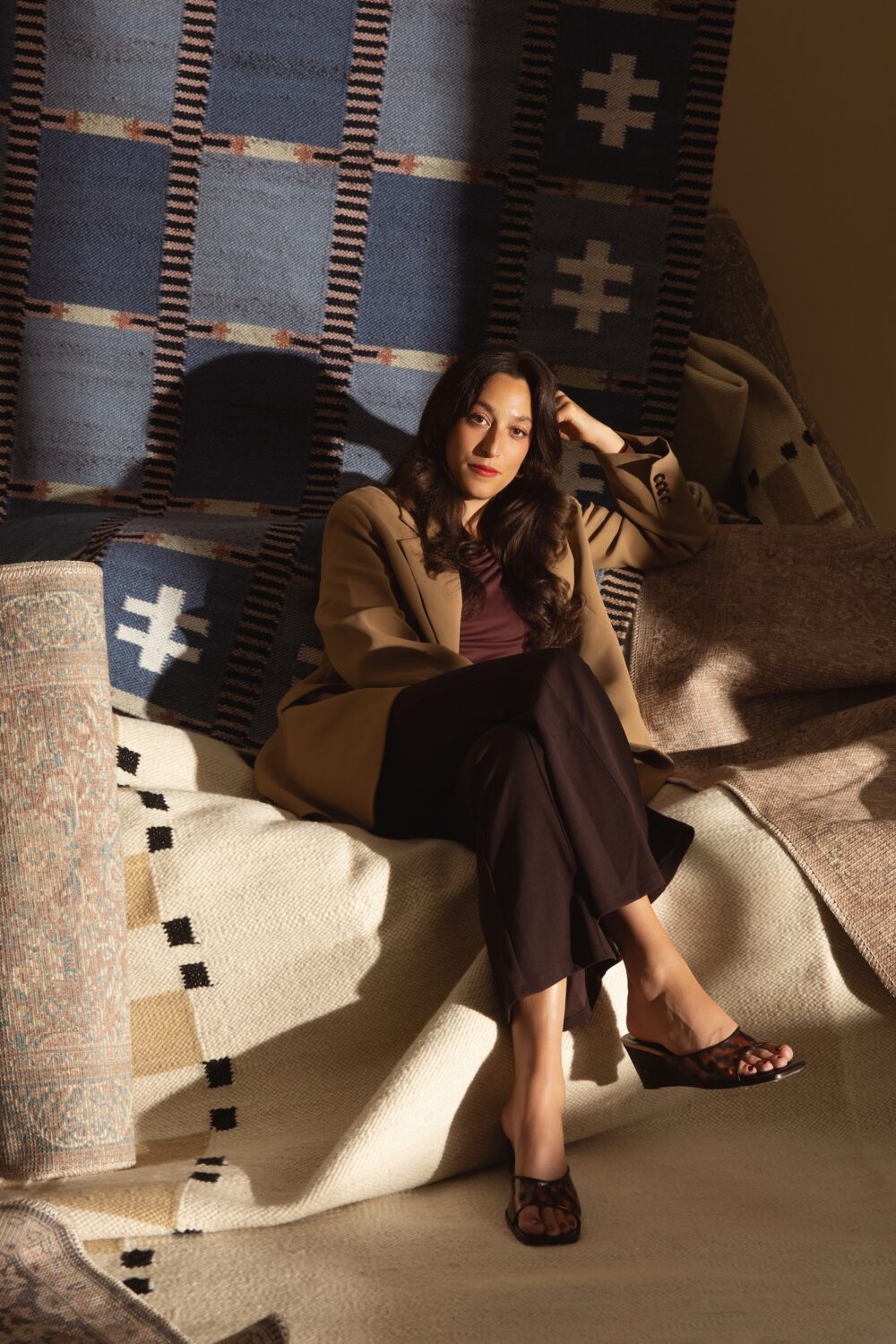
With more than 600,000 Instagram followers, a thriving design studio and a growing collection of rugs and wallpaper, Patricia Rodi has become one of interiors’ most distinctive tastemakers. Her philosophy is refreshingly simple: stop playing safe and create homes that actually make you feel something.
Patricia Rodi has little interest in creating rooms that simply look good on a screen. For the French-Swedish interior designer and founder of Rodi Cécile Studio, the most memorable homes are layered, deeply personal and capable of stirring an emotional response long before anyone notices the individual pieces within them.
It is an approach that has earned Rodi a formidable following. More than 600,000 people now follow her interiors, renovations and refreshingly practical advice on Instagram, where her rallying cry — “Make Your Home Less Boring!” — has become something of a design manifesto.
Yet behind the social-media influence sits a serious interior design practice creating bespoke residential and commercial spaces. Rodi doesn’t view the two worlds as separate.
“I’ve never really thought of them as two separate careers,” she explains. “One naturally grew out of the other.”
Everything begins with Rodi Cécile Studio, where understanding a client comes before choosing a single colour, fabric or piece of furniture.
“Interiors are as much about understanding people as they are about understanding architecture,” she says. “Before we think about colours, fabrics or furniture, we’re trying to understand how someone wants to live — the rituals they have, the atmosphere they’re craving, the things that make them feel most at home.”
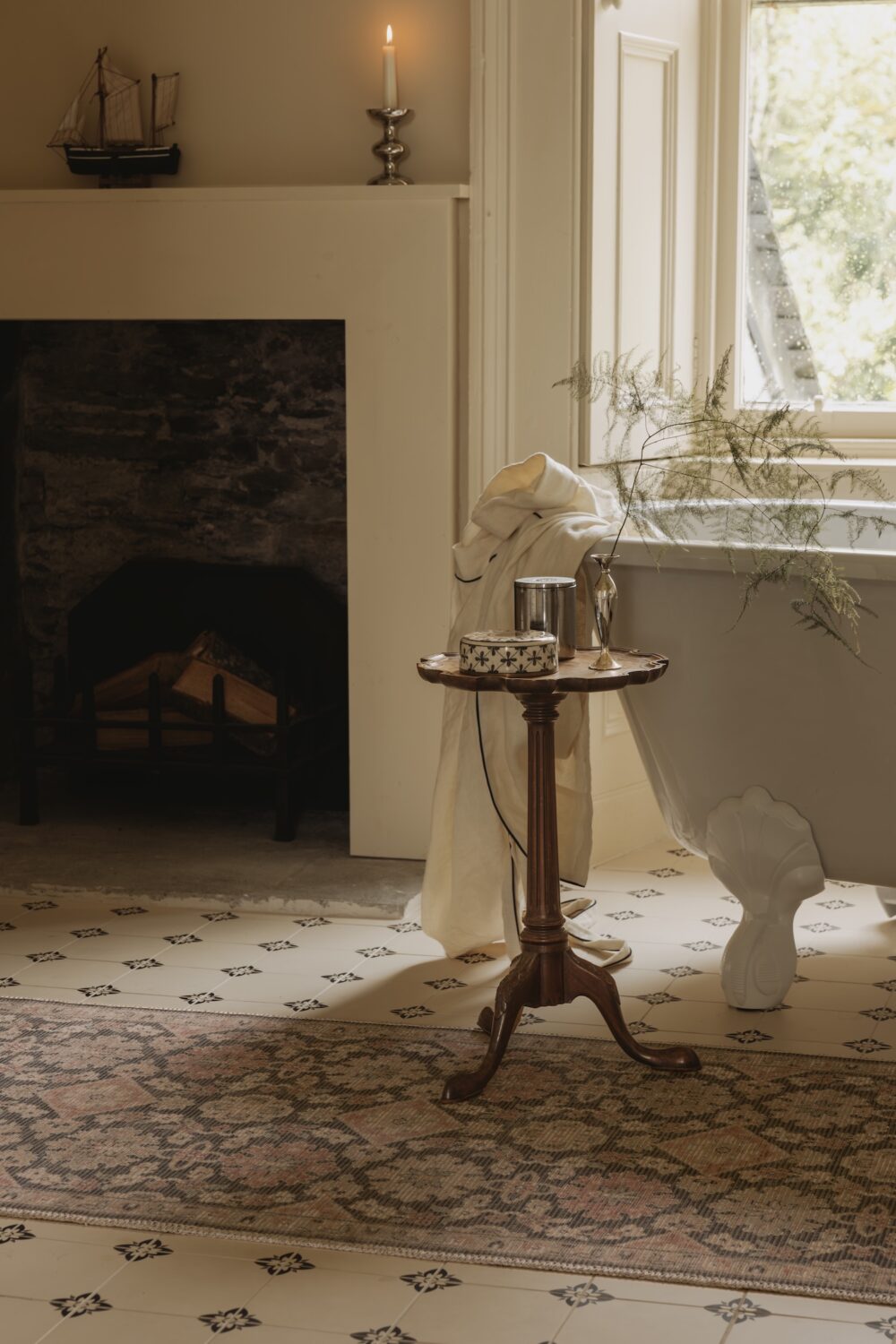
Certain signatures inevitably recur: craftsmanship, antiques, expressive colour and rooms that feel collected rather than overly designed. But Rodi is adamant that a designer’s job isn’t to impose a recognisable formula.
“No two homes should ever feel the same.”
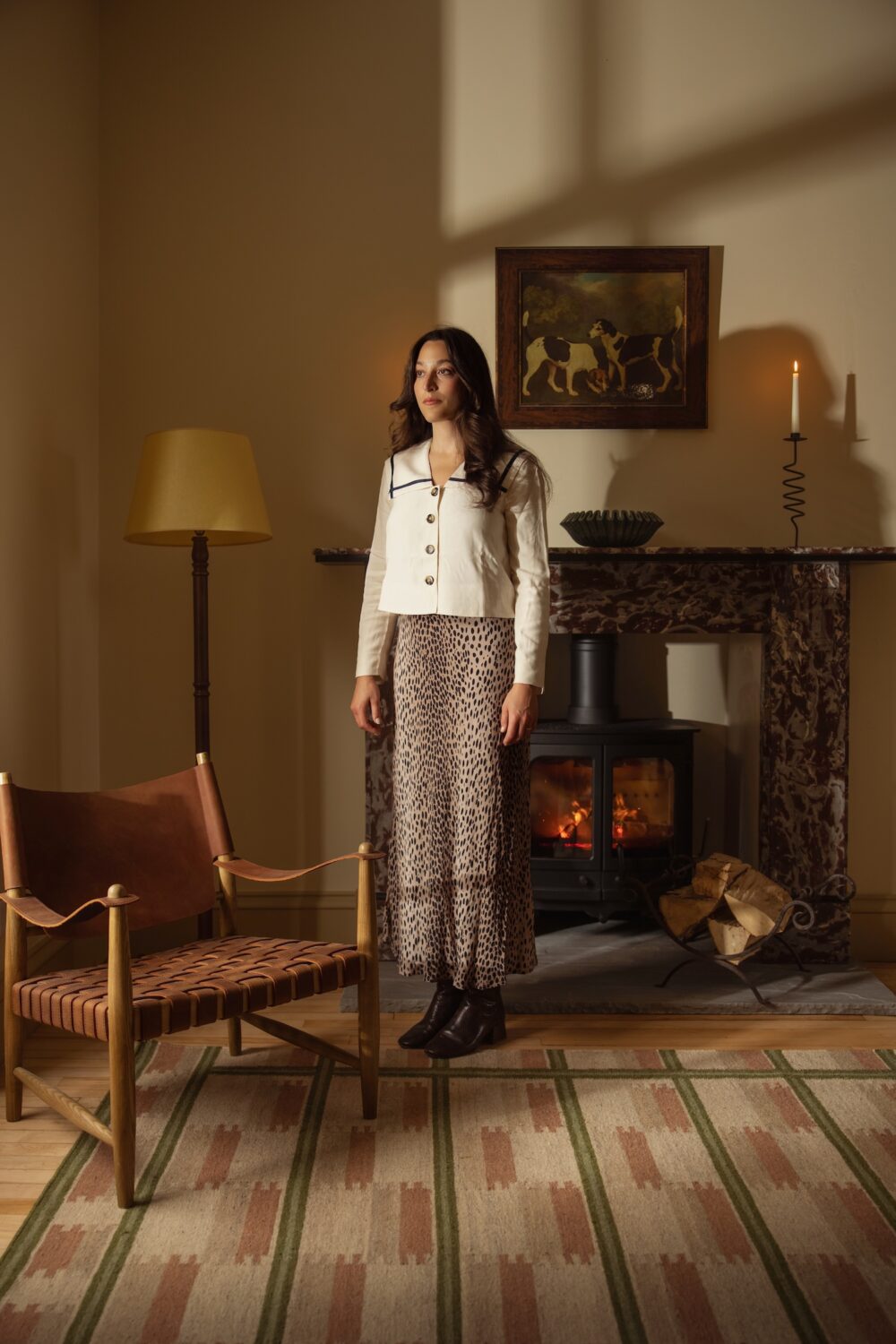
Stop Playing Safe
If there is one thing Rodi would like homeowners to abandon, it is decorating through fear.
“People decorate for resale value, for Pinterest, or for guests they’ve not even invited over yet,” she says. “Somewhere along the way they forget they’re actually designing a home for themselves.”
The result is often technically tasteful but entirely anonymous.
Rodi’s solution isn’t necessarily maximalism or grand gestures. Instead, she advocates a succession of small, confident choices.
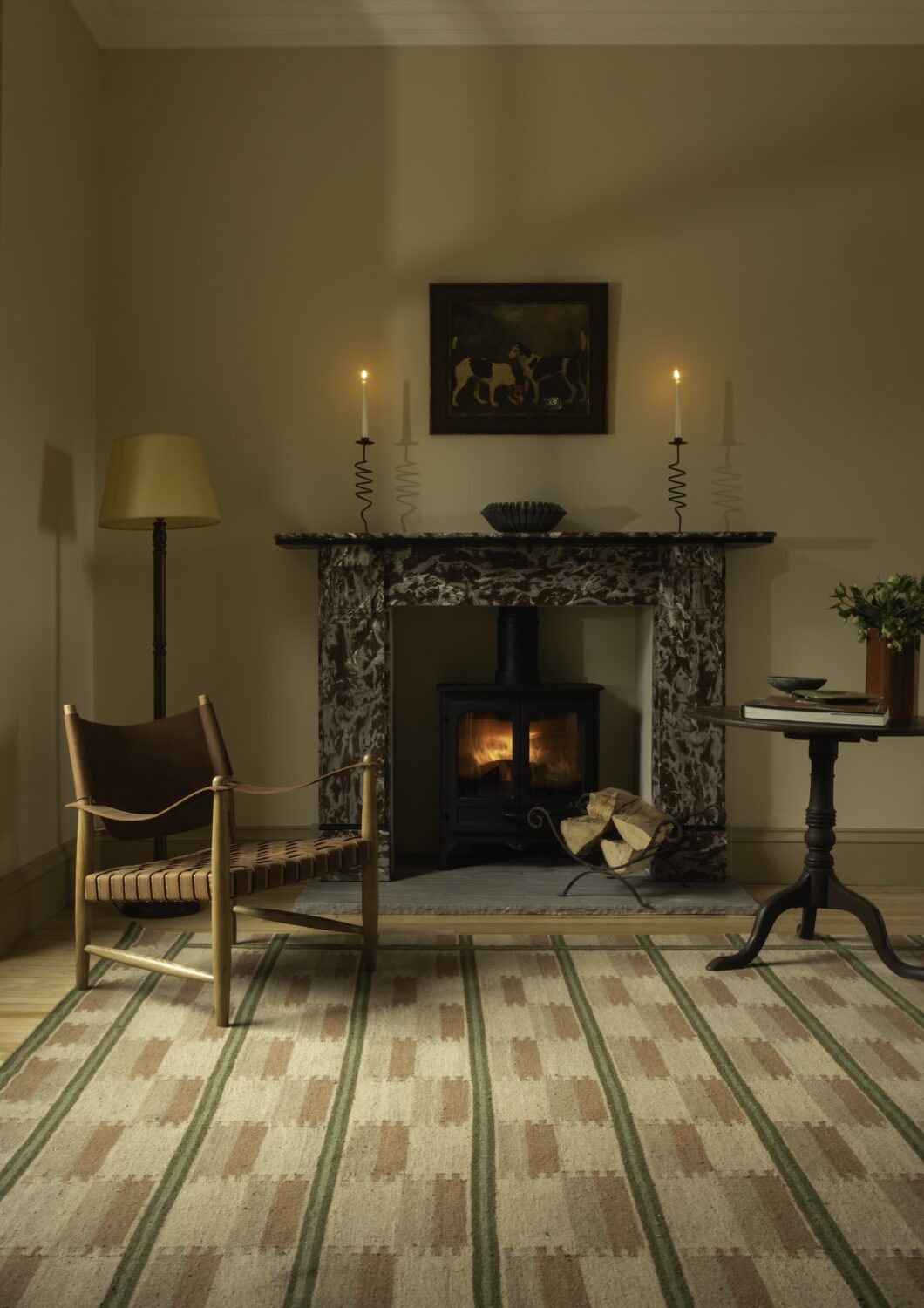
“Keep one thing in every room that you’d happily defend if someone questioned it,” she says. “A colour, a piece of furniture, an antique, an unusual lampshade, a striped ceiling — whatever makes you happy. Something with a point of view.”
It is perhaps why her work resonates so strongly online. While Rodi creates highly aspirational interiors, she rejects the notion that aspiration has to mean expense.
“To me, aspiration is really about possibility,” she says. “It’s that feeling of looking at a room and thinking, ‘I could make my home feel warmer, more personal or more joyful,’ rather than, ‘I need to buy an entirely new house.’”
Sometimes that means a complete renovation. At other times it can be rearranging furniture, adjusting the height of artwork or understanding which colours work together.
“The best interiors rarely happen overnight. They evolve over time.”
Why More Women Should Pick Up the Drill
Rodi is equally passionate about what happens before the styling begins. She has become an outspoken advocate for women learning DIY and renovation skills, challenging the lingering perception that the practical side of home improvement belongs predominantly to men.
“Honestly, it was never about skill,” she says. “It was about who was handed the tools growing up and who was handed the styling.”
For Rodi, confidence comes through doing rather than watching a perfectly edited transformation.
“Confidence with a drill is learned the same way confidence with a paintbrush is: by doing it badly a few times and not being embarrassed about that.”
She believes social media can play a powerful role by showing more of the reality behind renovation.
“If we see more women doing the practical work on camera, showing the process rather than just the ‘reveal’, we become more encouraged to try it ourselves. We need less perfection and more process.”
Taking Patricia Rodi Beyond the Rooms She Designs
Rodi’s distinctive approach to interiors is now extending beyond private commissions.
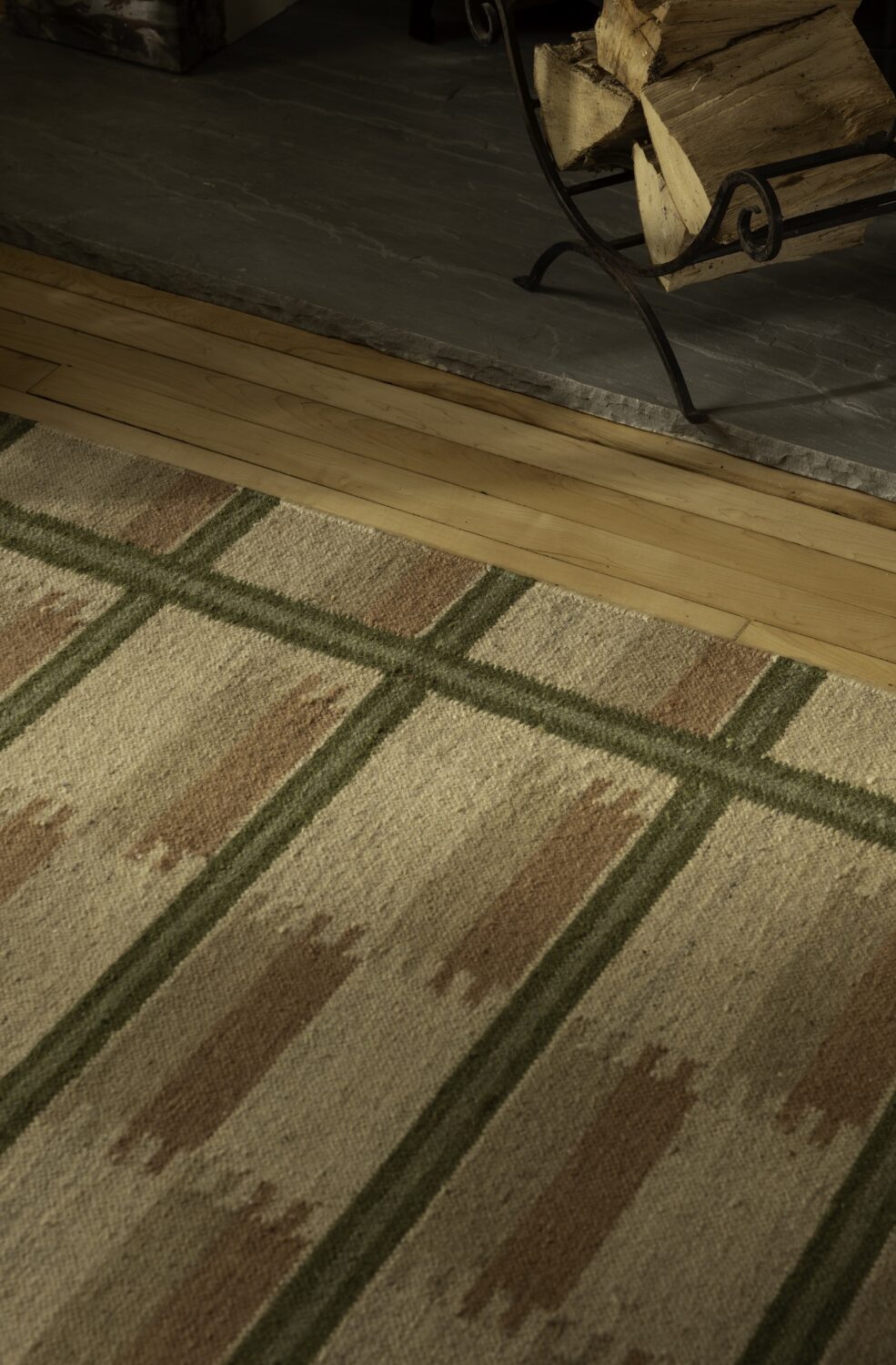
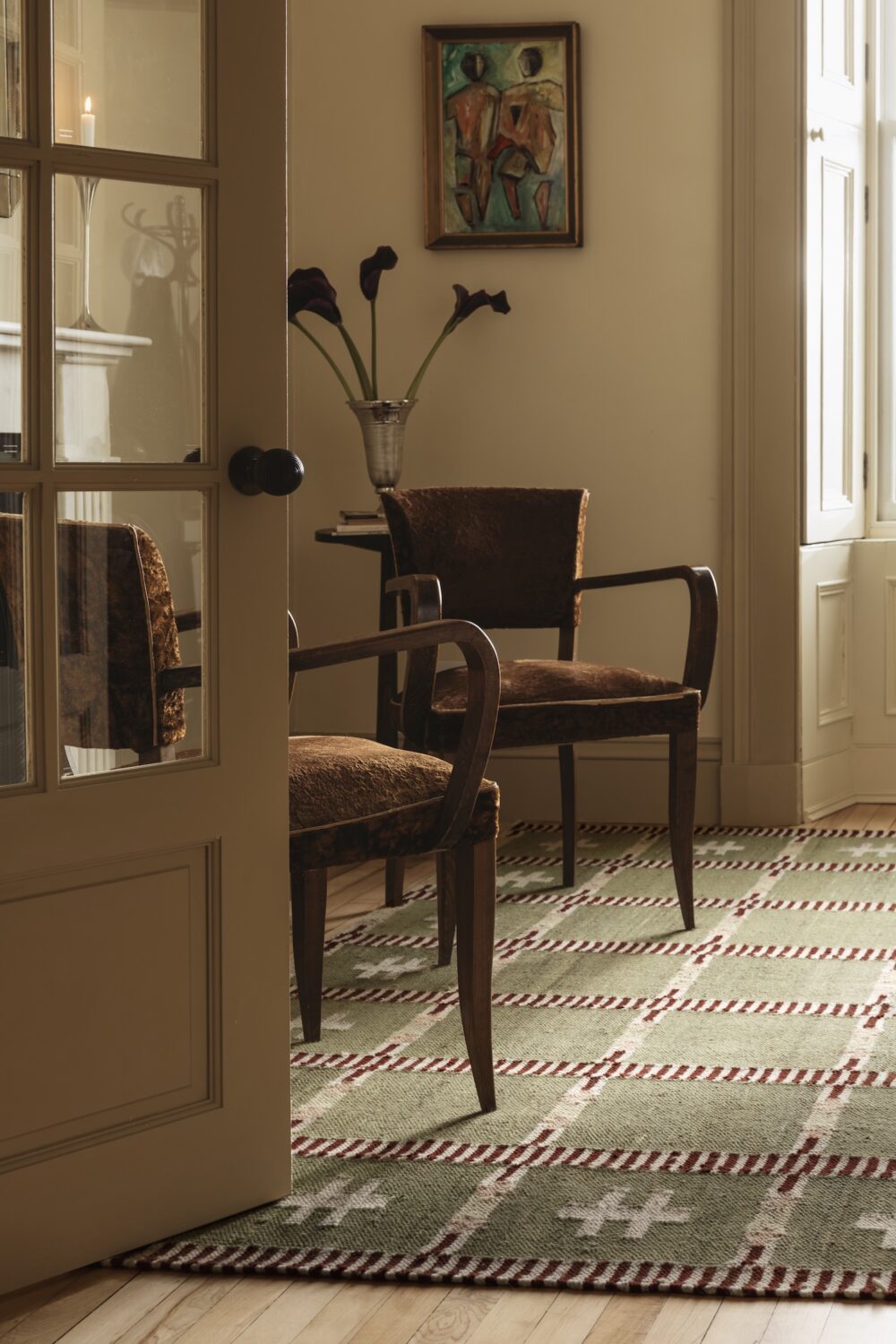
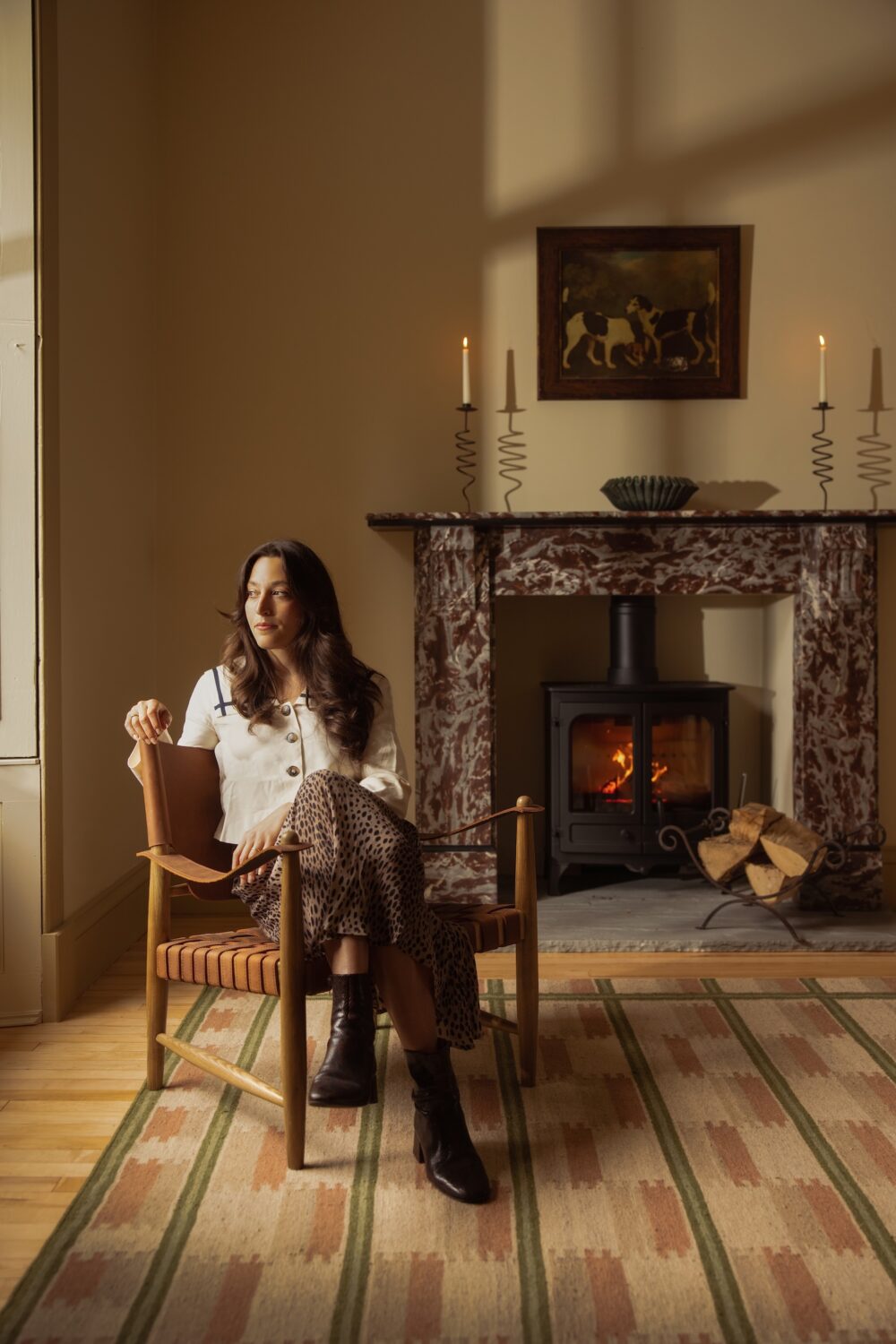
Her debut rug collection with Livabliss presented an entirely new design challenge. A bespoke interior can respond precisely to a single building and client; a product collection has to work in homes the designer may never see.
“The rugs had to feel at home in spaces I’ll never see, in light I can’t control, in countries I’ve never been, next to furniture I didn’t choose,” she says.
Rather than watering down her aesthetic to appeal to everyone, Rodi distilled it.
“The challenge wasn’t diluting my point of view to make it ‘safe’. It was identifying what is truly essential to the way I design.”
Those essentials — layering, softness, imperfect symmetry, colour and materiality — became the foundation of the collection.
Rodi also wants people to reconsider the role rugs play within a room. Far from being a finishing touch, she argues that they should often be among the first decisions made.
“A rug doesn’t just fill empty floor space. It anchors furniture, softens acoustics, introduces texture and completely changes the atmosphere of a room.”
Her most straightforward piece of advice?
“Please buy the bigger size. Almost everyone buys a rug that’s too small.”
The collection spans different price points, including printed designs and handwoven pieces, an accessibility that was important from the outset.
“I’ve always believed good design shouldn’t only exist at one price point,” Rodi says. “Accessibility shouldn’t mean lowering your standards. It simply means more people get to experience thoughtful design in their own homes.”
From Floors to Walls
Next comes wallpaper. Rodi’s forthcoming collaboration with Sandberg Wallpaper allows her to take the same philosophy into another dimension of the room.
“A rug anchors a room, but wallpaper becomes part of its architecture,” she explains. “It influences how you experience the space from the moment you walk in.”
Rather than treating wallpaper as decoration sitting quietly in the background, Rodi wants the walls themselves to participate.
“Walls that don’t just sit behind a room — they become part of it.”
She is particularly excited to see homeowners combine the wallpapers with her rugs, layering colour, pattern and texture rather than relying upon a single hero purchase to create personality.
It reflects Rodi’s wider resistance to interiors dictated by algorithms and passing trends. Her test for whether an emerging idea is worth embracing is remarkably simple: “Would I still think this was beautiful if nobody else was doing it?”
“Trends aren’t inherently bad,” she explains. “The problem is when we adopt them just because everyone else has.”
The homes she continually returns to for inspiration aren’t necessarily the most fashionable. They are the ones that feel authentic to the people living inside them.
“That’s what gives them longevity.”
Designing for Emotion
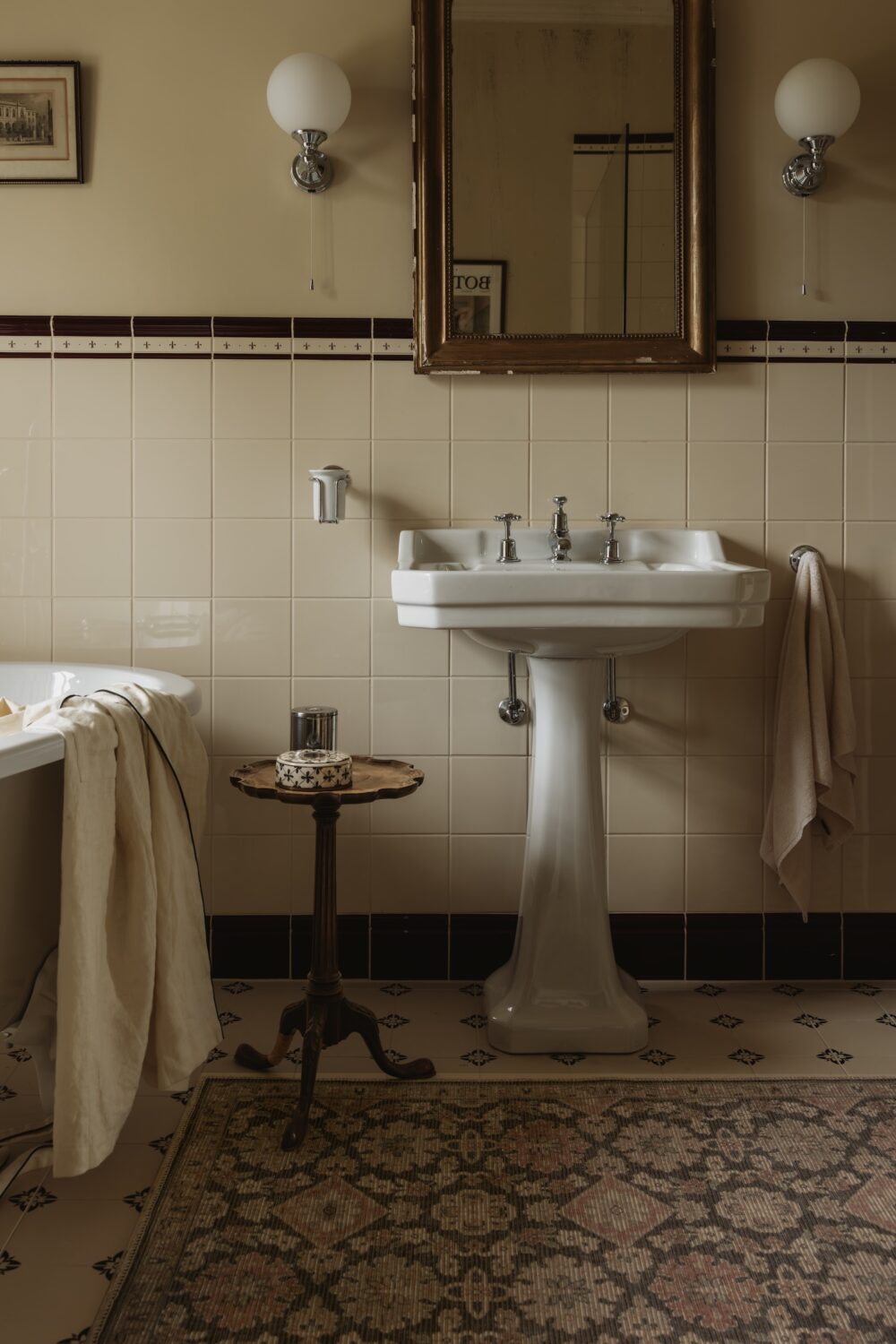
Ultimately, Rodi’s philosophy comes back to something considerably more instinctive than aesthetics. She wants a room to make you feel before it makes you look.
“I hope they feel something before they notice anything,” she says. “For me, that’s what great design does.”
It could be calm, comfort, intrigue or an unexpected flicker of nostalgia. A particular colour might recall a childhood home. Timber could evoke somewhere once visited. The softness of a rug might inexplicably bring back a grandparent’s house.
“The best interiors stay with us because of how they make us feel, not because of a particular chair or paint colour.”
It is perhaps the most compelling explanation of Patricia Rodi’s success. Beneath the patterns, antiques, colour and considerable Instagram influence is a philosophy rooted not in creating the perfect room, but the deeply personal one.
“If someone walks into a room and feels an emotional connection before they begin analysing the details,” she says, “then I think we’ve done our job.”