There is something quietly disarming about Missé Beqiri. Not because of the beautiful face that has graced magazine covers and billboards for more than two decades, nor because she has spent much of her adult life under public scrutiny. Instead, it is the ease with which she occupies a room. The sense that, after years of navigating fame, heartbreak and unimaginable loss, she has finally arrived somewhere infinitely more valuable than celebrity: herself.
Missé arrives exactly as you imagine someone completely comfortable in their own skin might be. There is no elaborate styling. Her dark hair is tucked beneath a baseball cap, her face entirely free of makeup. She has come directly from a workout session and is dressed head-to-toe in monochromatic ALO activewear.
Beside her is her beautiful daughter River. She doesn’t leave her mother’s side. Wearing headphones, she quietly watches YouTube, occasionally glancing up with the occasional curiosity only children possess. She disappears into her own little world, occasionally leaning instinctively against Missé whilst her mother plays with strands of her golden hair.
River is not merely part of Missé’s life; she is its centre of gravity.
“River loves Duolingo,” she smiles proudly. “She practices three languages, Swedish, Spanish and English. She loves reading and making her own comics. She’s a very brilliant kid.”
Children have a remarkable ability to reveal who their parents truly are. In River’s quiet confidence, charm and gentleness, you glimpse much of Missé herself.
Yet beneath those moments of joy lies a sadness that none of us can ignore. When conversation turns to River’s father, the late-Jake Hall, Missé chooses her words with extraordinary care.
“I don’t want to be insensitive,” she says softly. “Because we weren’t together. I loved him, he loved me, but we were not a couple. We once shared a life together with a child, we were going to get married. It’s very sad to lose him but the ones who are mostly affected are his family and our child.”
It is perhaps one of the most measured reflections on grief I have heard. There is no attempt to rewrite history or simplify a relationship that was complicated. Love doesn’t disappear simply because romance does.
Long before the campaigns and TV shows, Missé Beqiri, was a young girl growing up in southern Sweden with a persistent feeling that the world might hold something bigger.
“I never thought I would become a model,” she laughs. Although strangers repeatedly told her she should be one. Living in a small village near Malmö, comments about her appearance became routine. At 18-years-old, she was invited to audition for Sweden’s Top Model before moving to Copenhagen, a city that opened an entirely new world.
Missé doesn’t define herself through a single career, she speaks passionately about her marble business that she runs with her sister and a beauty brand in the works.
“I think it takes time to know yourself,” she reflects. “It took me 35 years to understand who I really am and it’s a forever job.”
Every morning, she says, she wakes with the same intention. “I’m going to be a good person today.”
Missé is almost unrecognisable from the woman who first appeared on The Real Housewives of Cheshire.
“On Ladies of London I feel like I was myself,” she says. “I truly was who I would have been off camera.”
That distinction matters. Reality television has become synonymous with performance. Conflict creates headlines; authenticity rarely does.
“When I did Housewives of Cheshire, I didn’t know who I was. I was quite aggressive, possessive and insecure. I’ve done so much work on myself.”
“It’s easy to be one person on camera and one person in real life,” she says. “That’s what I don’t like.”
Listening to her speak, you begin to realise that healing has quietly become the central purpose of her life.
“I want to help people,” she says. “There’s so many broken people inside, and there is a way to come out of this.”
Many people are able to process the darkest moments of their lives privately but Missé has had the misfortune of having them making national headline news. The murder of her brother in 2019 and the death of Jake Hall earlier this year has placed her under extraordinary public scrutiny.
“They say there are always two sides to every story,” she says. Then she pauses.
“In the public eye… There are three. Your version. Someone else’s version. And somewhere in between, the truth.”
“If you’re going to explain yourself every single time something comes out, it’s soul-destroying.”
Instead, she has made peace with something many public figures struggle to accept. She cannot control other people’s opinions, only take responsibility for her actions.
“I chose this life,” she says simply. “I can also choose to delete Instagram.”
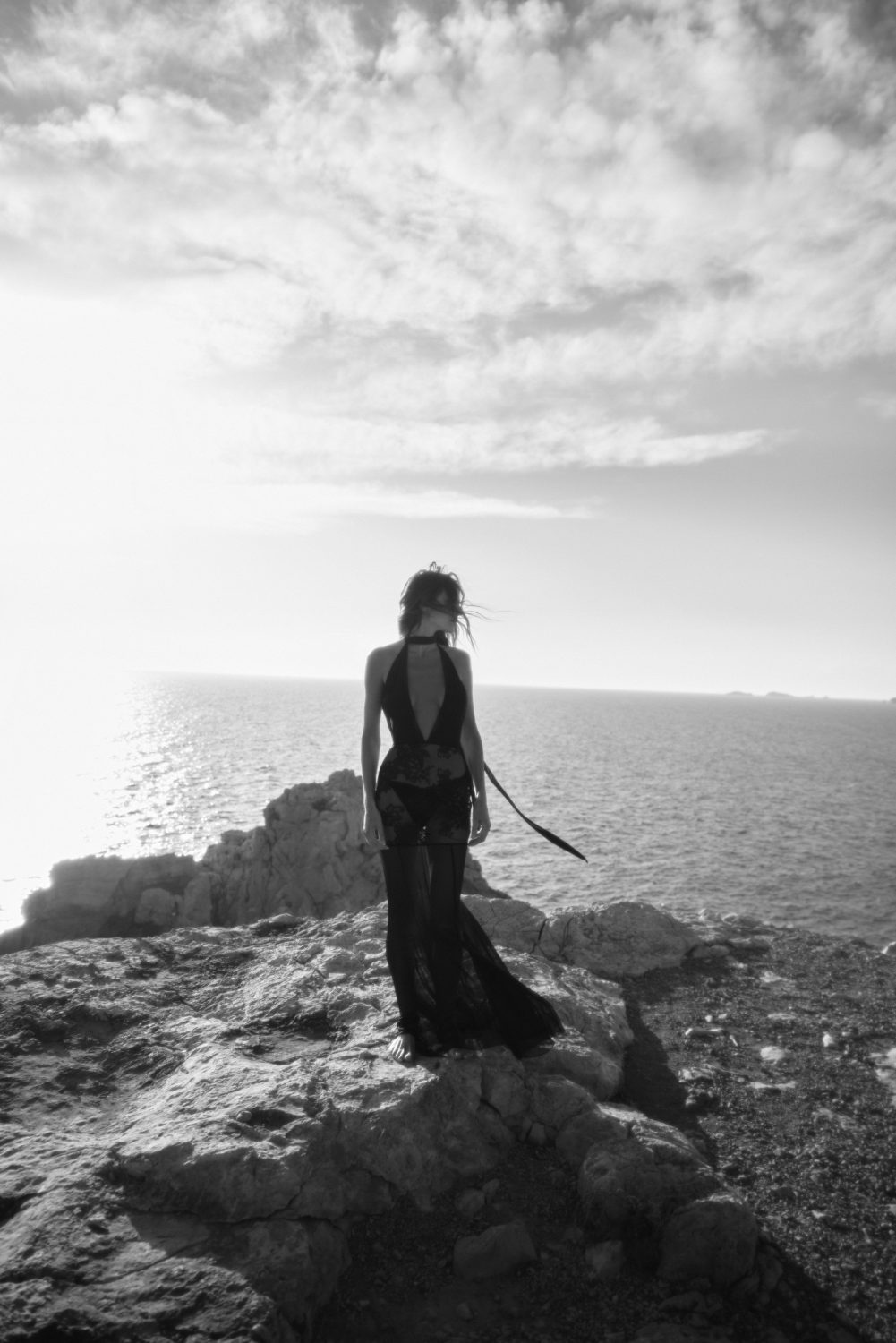
Missé speaks about losing her brother with remarkable honesty, explaining that profound loss changes you permanently. But perhaps more importantly, it teaches you.
“When something really tragic happens in our life,” she reflects, “We learn tools. When something difficult happens again, you ask yourself, ‘How did I deal with that? What can I do better this time?'”
When life feels overwhelming, Missé closes her eyes and imagines herself somewhere entirely different. She imagines standing in front of a blue sea, feeling the sunshine on her skin.
“I trick my body,” she smiles. “It actually works.”
Motherhood sits at the centre of Missé’s life and education forms its foundation. Academic success is a priority. Learning and discipline matters. Even though her elder son has already attracted attention as a young footballer, education comes first. “His father and I decided that he has to finish school first.”
Children absorb what they witness far more than what they’re told. Throughout the afternoon, River sees a mother who listens carefully, speaks thoughtfully and laughs easily.
Every now and then, without breaking eye contact or interrupting her train of thought, River will extend her legs into Missés lap and without skipping a beat, Missé will tickle them soothingly. This unconscious gesture, an indicator of how beautifully close and intertwined they are.
After everything life has asked of her, motherhood has become the place where Missé seems most at peace.
The conversation naturally turns to love. Growing up, love looked a certain way. Her father was, “an amazing dad,” but affection wasn’t something his generation expressed easily. It was simply how many men of that time had been raised. Yet childhood quietly shapes our understanding of adulthood, and for years she found herself confusing emotional intensity with emotional security.
“I thought love was an obsession,” she reflects. “The pull and push. The attention… or chasing the lack of it.”
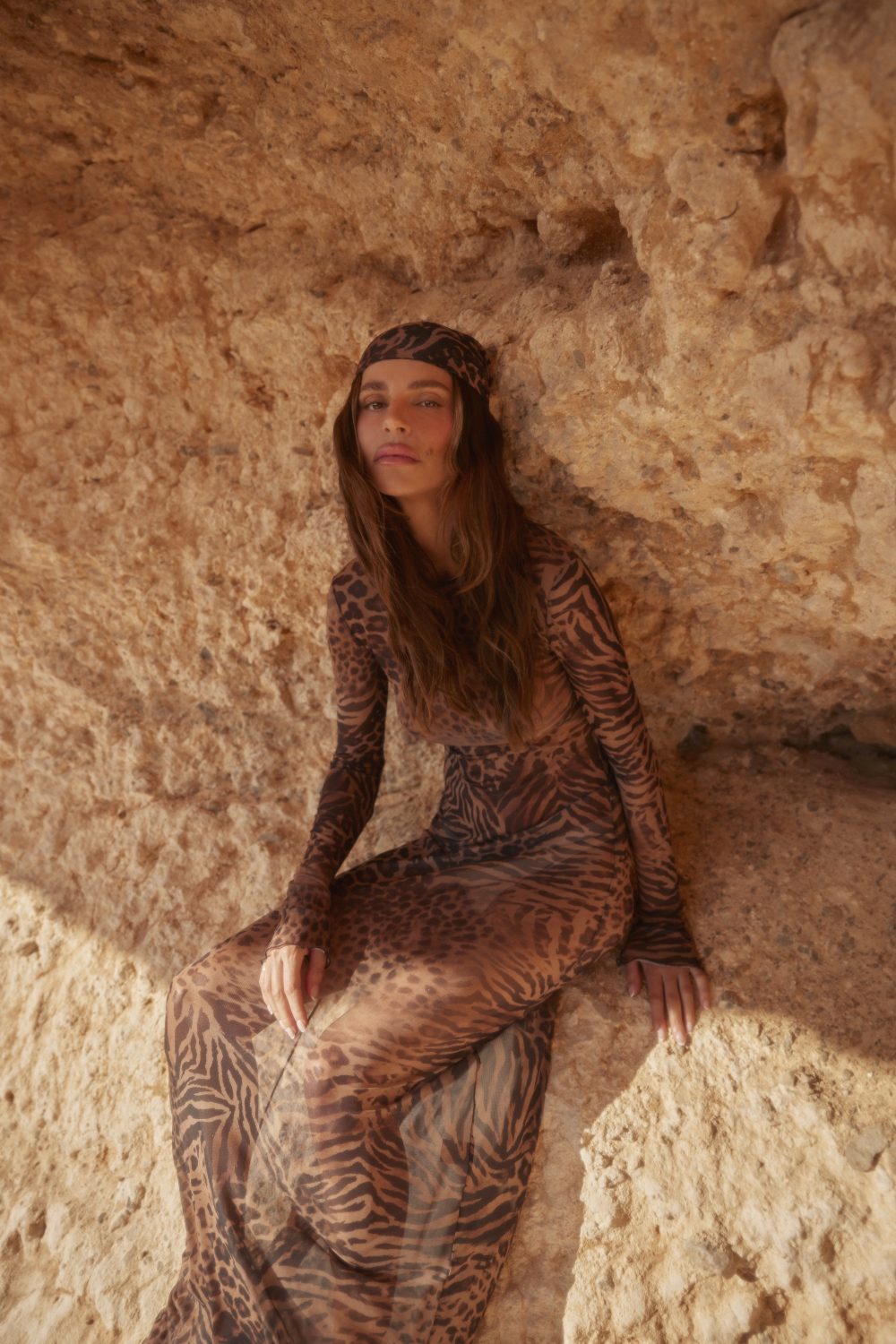
Today, her perspective has shifted. “Love comes easy. It feels safe. It makes you a better person.”
The further Missé moves away from external validation, the happier she becomes. There was a time, she laughs, when she lived almost exclusively in designer labels.
“Now, I am a hippie soul living in jeans and flip flops but when I was younger, I was spending £20,000 a month. I was a shopaholic.”
“Trust me,” she says with a smile. “I have learned that material stuff doesn’t make you happier at all.”
“I’ve met people who have everything,” she says quietly, “and they’re empty inside.”
Instead, she has built a life around creating. She speaks enthusiastically about the beauty brand she’s developing. Freckles, brows, lip liners, products she genuinely uses herself. She turns down collaborations that promise substantial financial rewards because they don’t align with who she is.
“I could make a fortune promoting rubbish on social media,” she admits, “but it would feel soulless.”
The project she speaks about most passionately is a project that isn’t hers at all. It is a children’s book, created by River to help other children deal with grief.

She instinctively glances towards her daughter, still happily tucked beside her. The book has grown from conversations about loss, healing and childhood, but its purpose is ultimately hopeful, a way of helping other families navigate experiences no child should have to understand so young.
“I think it’s going to be really beautiful,” she says. Watching them together, a pair of survivors who have lost so much but are still fuelled by love, it feels like the most natural project in the world.
Every major decision Missé now makes is filtered through one question. How will this shape her children’s futures?
“Especially now. One of my children doesn’t have a father. It’s scary, because it is all on me. I am both parents to her.”
It would be easy to see Missé through the lens of the public narrative, model, television personality, headline-maker. But after spending time with her, those labels feel inadequate.
She’s a mother who is devoted to her children and measures success in the values she’s passing on to them. She is a survivor. Missé Beqiri may have endured extraordinary trauma but she has emerged from it softer, wiser and determined to build a life for her children that they can all be proud of.
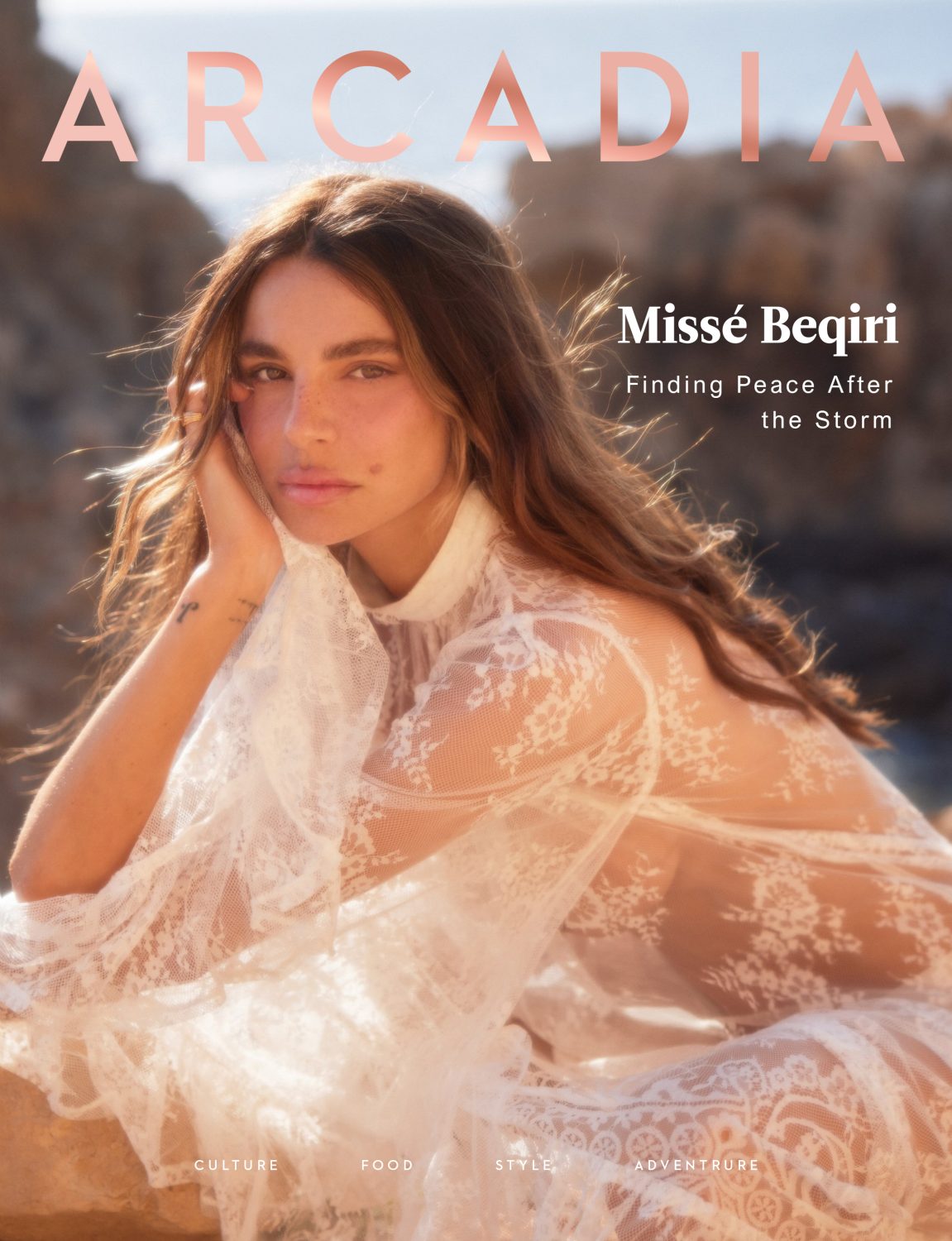
Photographer
Brett Russell
Stylist
Anne-Laure Lombard
Make-up Artist
Lilli Kelly using Dior Beauty and Augustinus Bader
Hair Stylist
Faye Browne