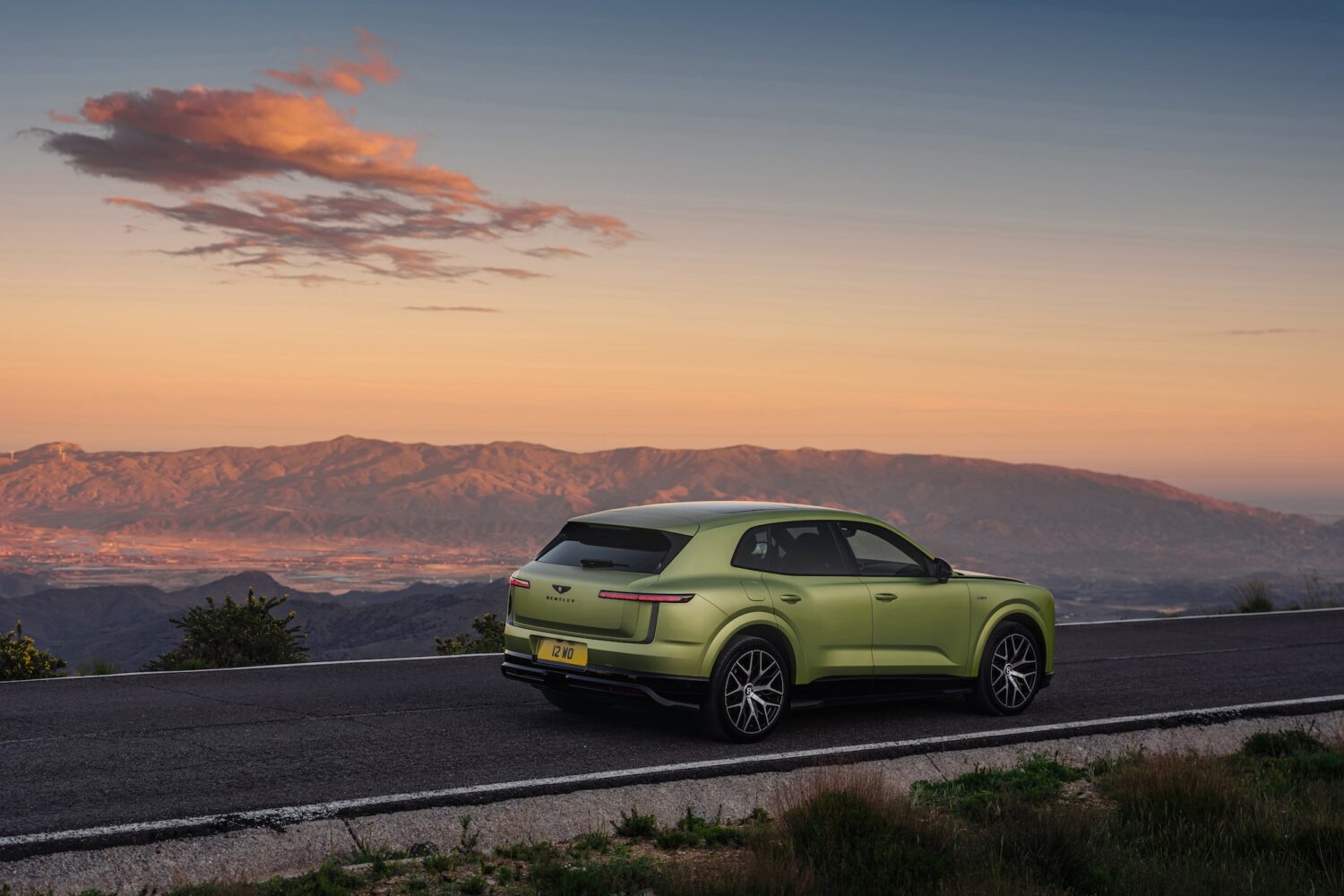
Bentley has entered a new era. The all-new Torcal becomes the fourth model line in the British marque’s portfolio, joining the Continental GT, Flying Spur and Bentayga and, more significantly, arrives as the first all-new Bentley in a decade and the brand’s first fully electric model.
It is a major moment for a company that has spent more than a century perfecting the peculiar alchemy of performance and indulgence. Yet rather than attempting to reinvent Bentley for an electric future, the Torcal feels more concerned with translating the things that have always made a Bentley special, craftsmanship, tactility, effortless power and a slightly obsessive attention to detail, into an entirely new format.
Even the name follows tradition. Like Bentayga, Bacalar and Batur before it, Torcal is inspired by an extraordinary landscape. El Torcal de Antequera, in Andalusia, is a surreal limestone wilderness of stacked rock formations, cliffs and labyrinths formed over millions of years. The name also shares its linguistic roots with “torque”, giving it an appropriately mechanical association with twisting force and effortless progression.
Bentley Chairman and CEO Dr Frank-Steffen Walliser has described it as a car that “may just be the most considered car in our history.” Spend any time examining the details and it is easy to understand why.
Perhaps the most wonderfully excessive example is something most manufacturers would barely consider: the sound of the indicators.
Rather than selecting a generic digital click, Bentley went into its upholstery workshops and recorded the sound of a hammer striking leather. That recording became the Torcal’s indicator sound. It is the sort of detail that borders on absurd and is precisely why it is brilliant.
And Bentley did not stop there. The sound accompanying the touchscreen and digital assistant originates from a crystal glass. According to Torcal product line director Martin Page, the “Hey Bentley” assistant wake-up tone was created by running a finger around the rim of a crystal glass, while a higher-pitched flute recording is used for a warning tone. The car’s entry sound also incorporates birdsong. In other words, even the smallest digital interactions have been given a physical, human origin. That philosophy becomes even more ambitious when the car starts moving.
An electric Bentley presents an obvious problem: what happens to the soundtrack? The rumble of a V8 or W12 has traditionally been inseparable from the character of the marque, but simply piping a recording of an old engine through the speakers would have felt artificial. Bentley instead studied the rhythm of its V8, even conducting an experiment in which the engine was played through a parabolic speaker opposite a live drummer. The team concluded that much of the emotional quality came not simply from its tone, but its rhythm and tiny natural variations.
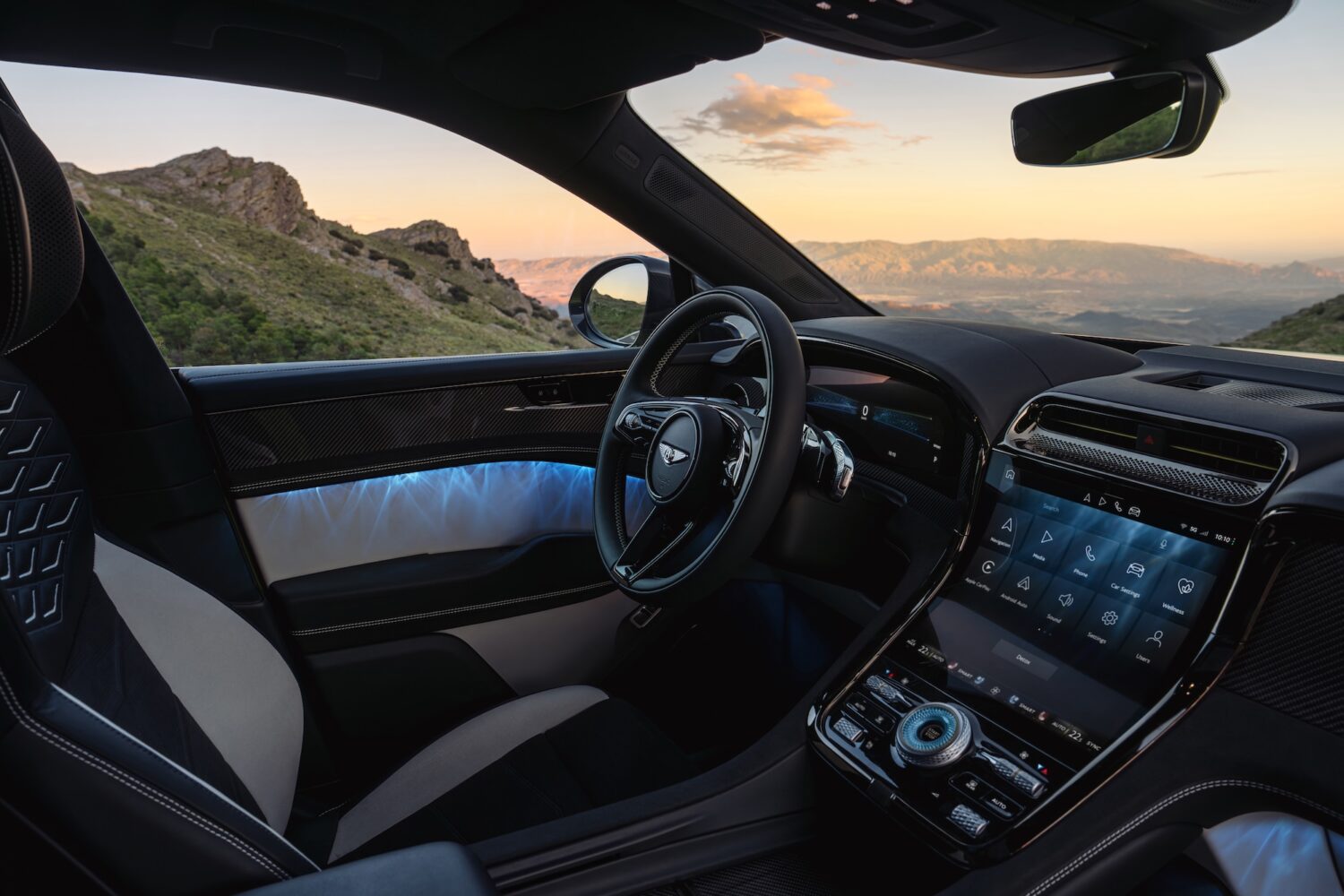
The resulting Bentley Dynamic Symphony was created with real musicians and instruments including drums, viola and bass guitar. Rather than impersonating an internal-combustion engine, it translates its cadence and energy into something new. The sound responds dynamically to the car’s speed and the torque being requested by the driver, becoming more pronounced in Sport mode, although it can also be turned off entirely. That obsessive consideration extends throughout the cabin.
Bentley has partnered with Somerset clothmaker Fox Brothers, whose history stretches back to the 18th century, to develop what it says is the first 100 per cent Merino wool fabric sufficiently durable for automotive use. Traditional leather remains, but it can now sit alongside wool, suede-like Dinamica and a new generation of contemporary finishes.
The new Ombre Walnut veneer is particularly extraordinary. As many as 1,000 individual layers of walnut are hand-selected and pressed together, before being sliced to less than a millimetre thick to create a gradual transition from light to dark. There is also a new aluminium finish featuring an intricate three-way brushed pattern, a modern interpretation of the engine-turned metal found in historic Bentleys.
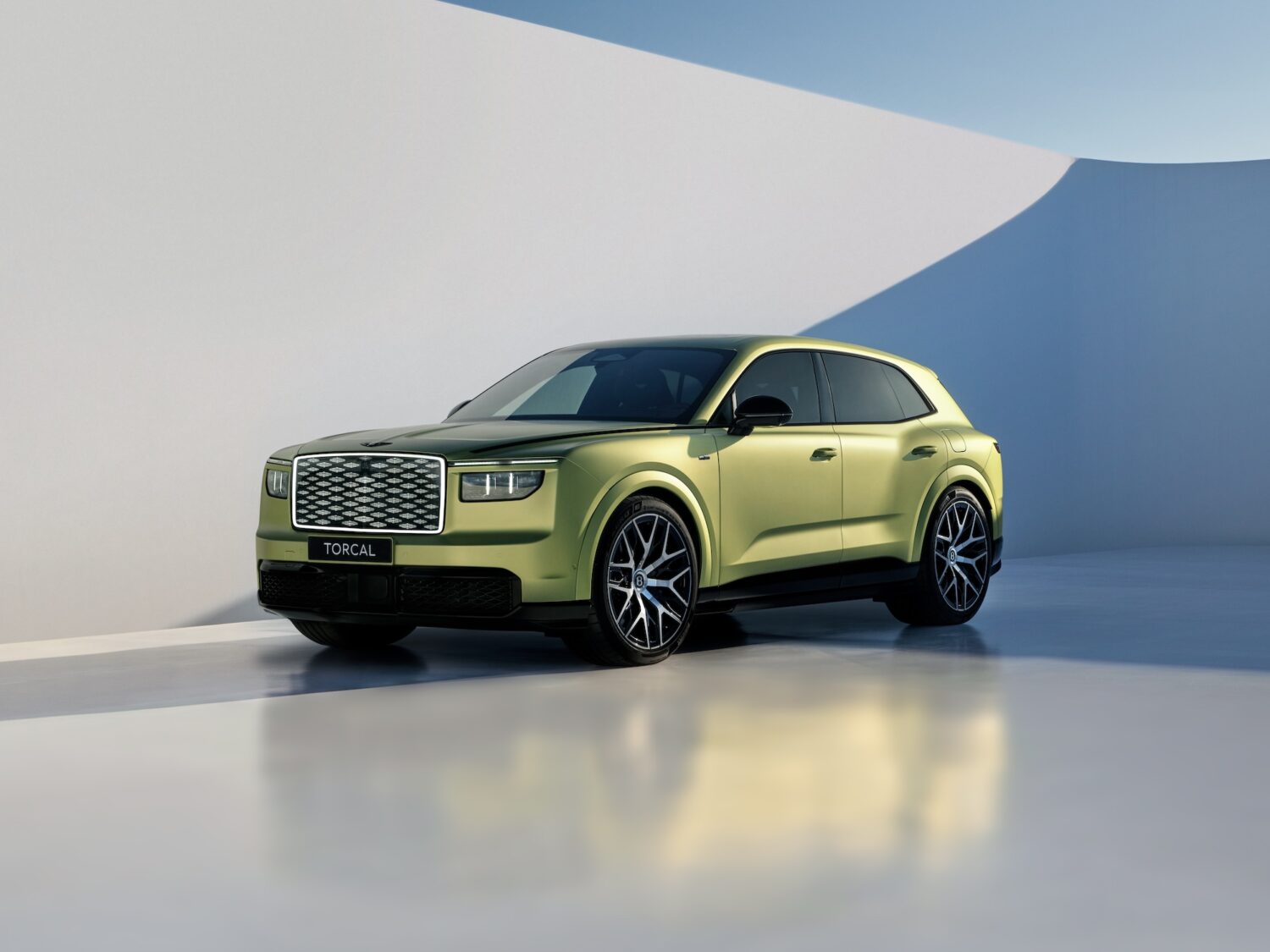
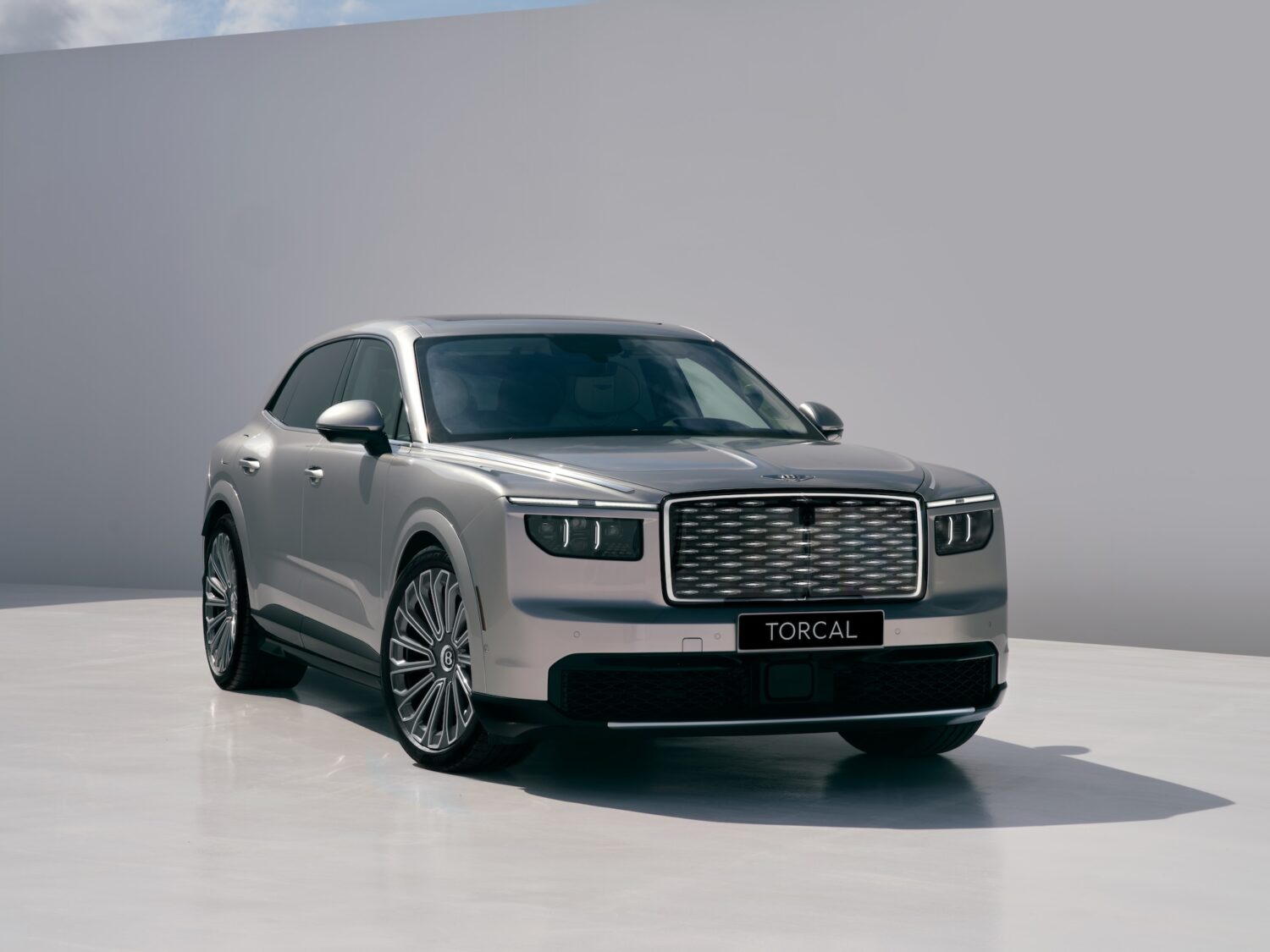
Light has received similar treatment. The Torcal’s Floating Diamond Grille contains 76 individually applied illuminated diamonds, which gradually come to life when the vehicle is unlocked. Inside, more than 450 LEDs create Bentley’s Dynamic Waterfall Lighting, an ambient display designed to appear to move with the acceleration of the car, complete with a sense of visual inertia.
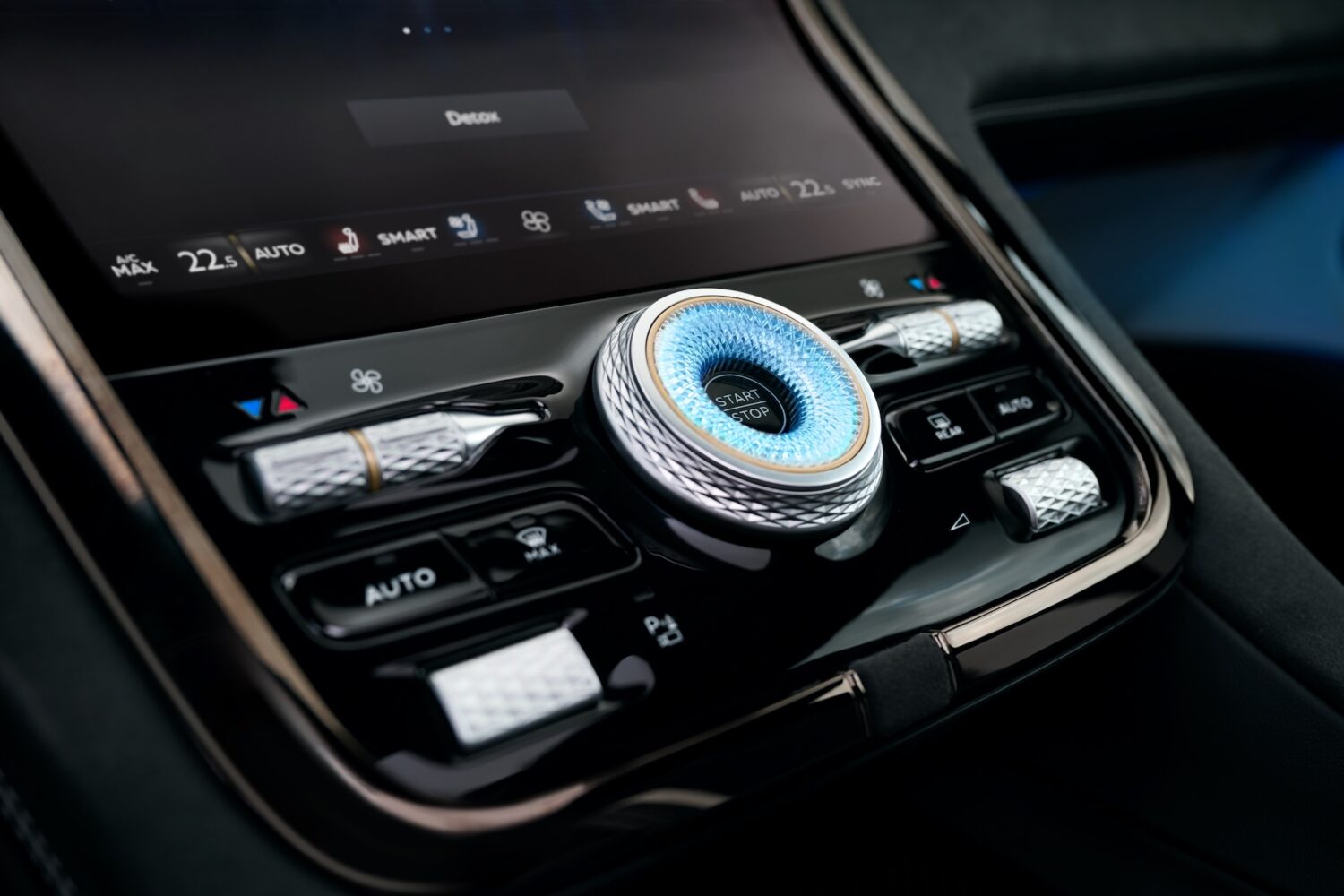
The technology is substantial, but it rarely seems included simply because it can be. A new Curation Engine brings together the car’s driving modes with its lighting, sound, seating, sunroof and climate systems. Comfort, Bentley, Sport and Refresh modes can therefore alter not just the response of the car, but the atmosphere surrounding its occupants.
Then there is the performance. The standard Torcal uses two electric motors producing 821 PS and 1,155 Nm of torque, enough to reach 60mph in 3.3 seconds. Its 113.2kWh battery offers up to 373 miles of range, while sufficiently powerful DC charging can take it from 10 to 80 per cent in around 16 minutes.
Above it sits the Torcal S, now the most powerful production Bentley ever made. With 888 PS and 1,350 Nm, it can accelerate from 0–60mph in just 2.8 seconds with Launch Control engaged.
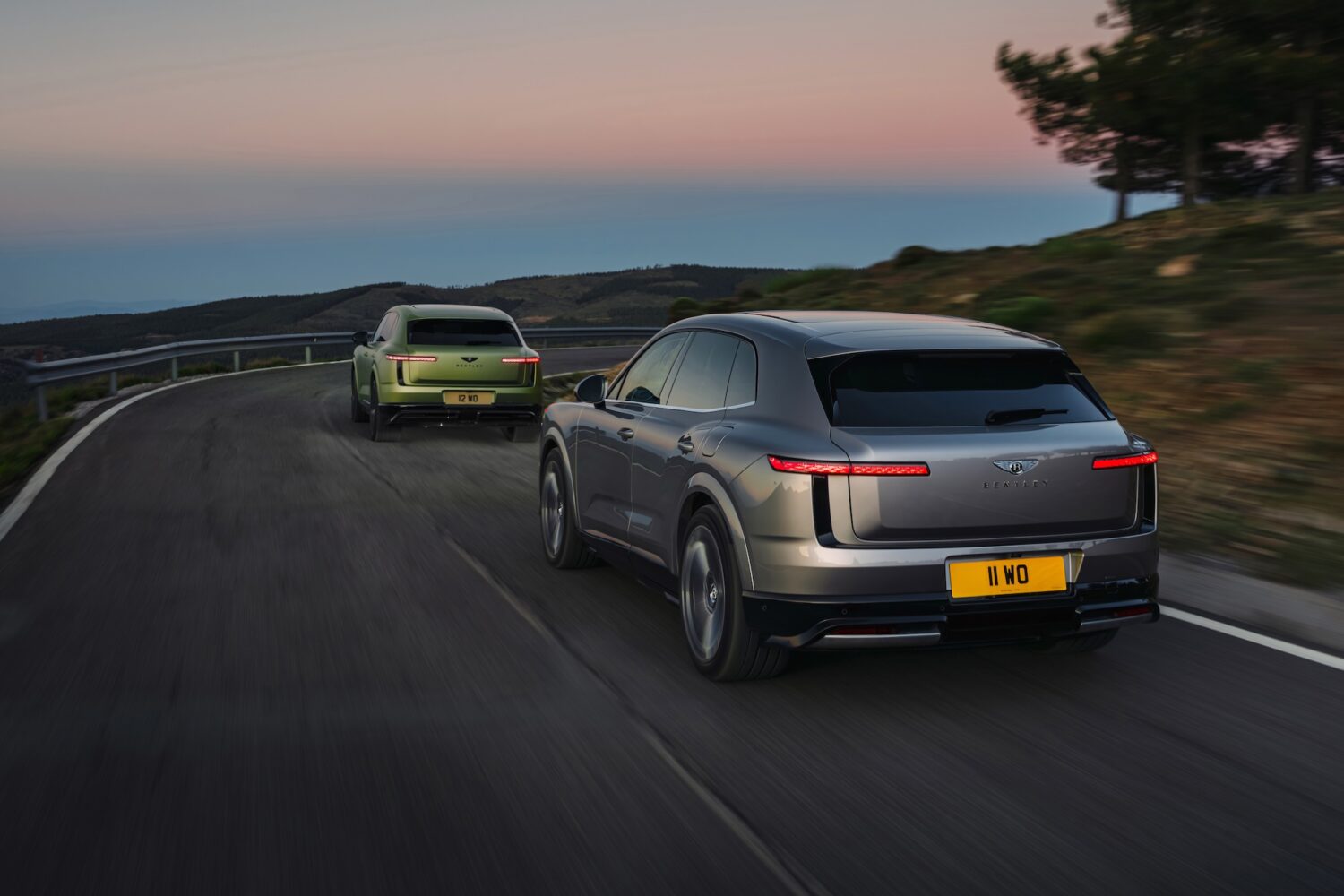
The figures are spectacular, but they may not ultimately be the most interesting thing about the Torcal. The car’s significance lies in the way Bentley has approached electrification without allowing technology to flatten its personality.
Anyone can programme an indicator sound. Bentley recorded a craftsman hitting leather. Anyone can manufacture a digital notification. Bentley reached for crystal glass and a flute. And rather than disguise the silence left behind by the combustion engine, it assembled musicians to reinterpret what made that engine emotionally compelling in the first place.
That attention to detail is wild — but then that may be exactly the point. The Torcal is not Bentley with an electric powertrain. It is an attempt to answer a much more difficult question: what should a Bentley feel, sound and look like when the engine no longer defines it? The Torcal proves that Bentley’s electric future needn’t sacrifice character, it can express it in an entirely new way.