There was a time when choosing the train over flying to the South of France might have seemed like the slower, more romantic option. Today, with volatile jet fuel prices, flight cancellations and the familiar slog of reaching an airport, clearing security and waiting at a gate, travelling by rail is starting to look less like the indulgent choice and more like the sensible one. It can also be considerably more enjoyable, with no liquid restrictions to negotiate, no luggage carousel at the other end and no airport marooned miles outside the city centre. Instead, there are proper seats, room to move around, changing landscapes outside the window and the rather civilised experience of leaving the heart of one city and stepping straight into another.
Starting in Style at St. Pancras London
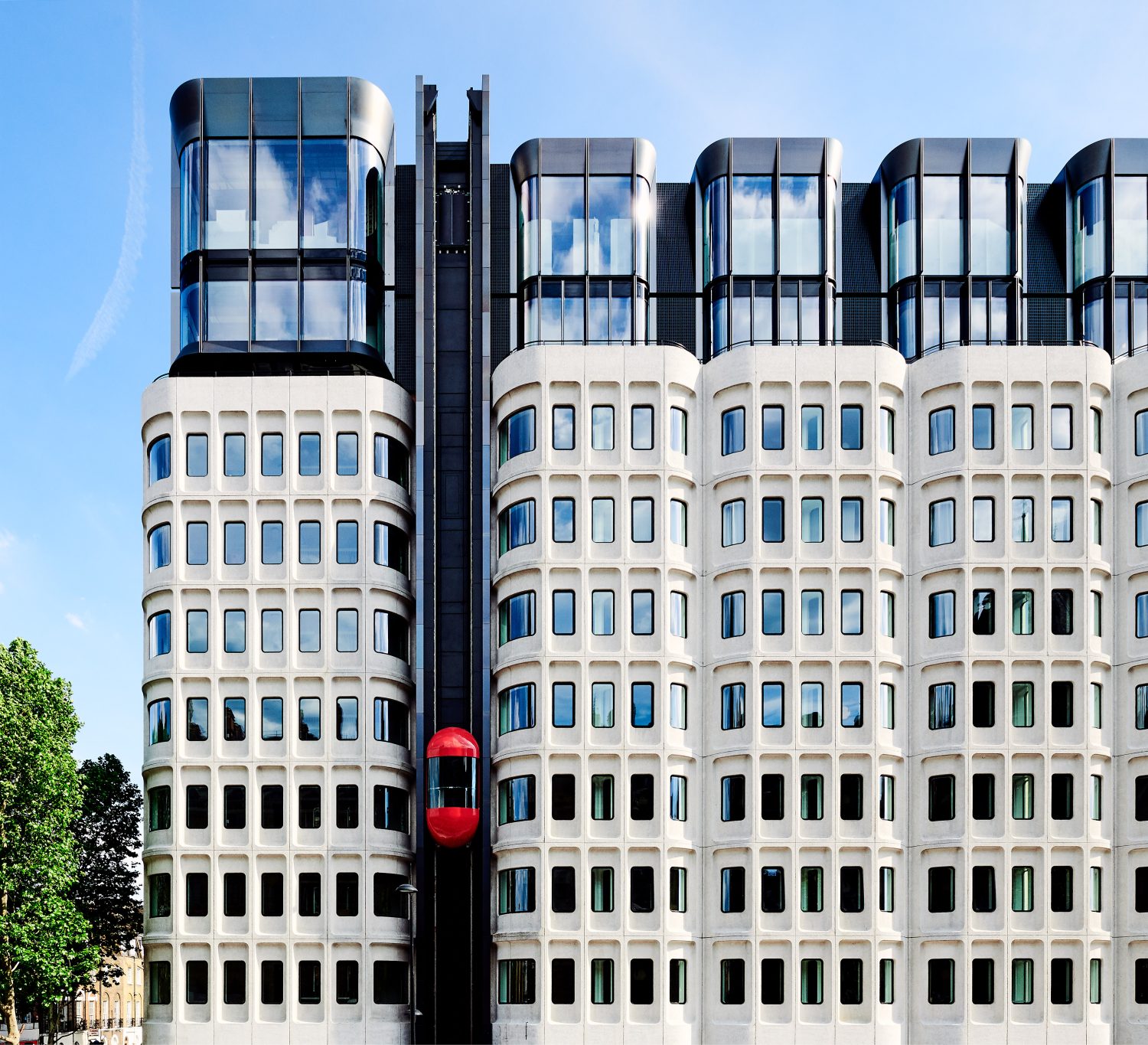
Our journey began, conveniently, almost directly opposite London St. Pancras. If you have an early Eurostar train, The Standard London makes an excellent place to start a European rail adventure. Arguably one of London’s coolest hotels, it occupies the former Camden Town Hall Annexe on Euston Road, its playful interiors a suitably striking contrast to the Victorian grandeur of St. Pancras across the road. There are fabulous cocktails to kick off the trip the night before and, importantly when there is a train to catch the following morning, an excellent breakfast to fuel that short hop, skip and jump across the road to the station.
Eurostar Premier makes the experience even smoother. Shorter queues and a more streamlined departure take much of the usual pre-travel faff out of the equation, while the lounge at St Pancras feels like the beginning of the holiday rather than somewhere to kill time. Comfortable seating, shelves packed with magazines and newspapers and plenty of tasty food and drink options make it a far more civilised start than the average airport departure lounge. Then comes one of rail travel’s greatest advantages: you simply get on and go, with space to work, read, eat or watch the countryside rush past before arriving at Gare du Nord in the centre of Paris.
Two Nights in Paris
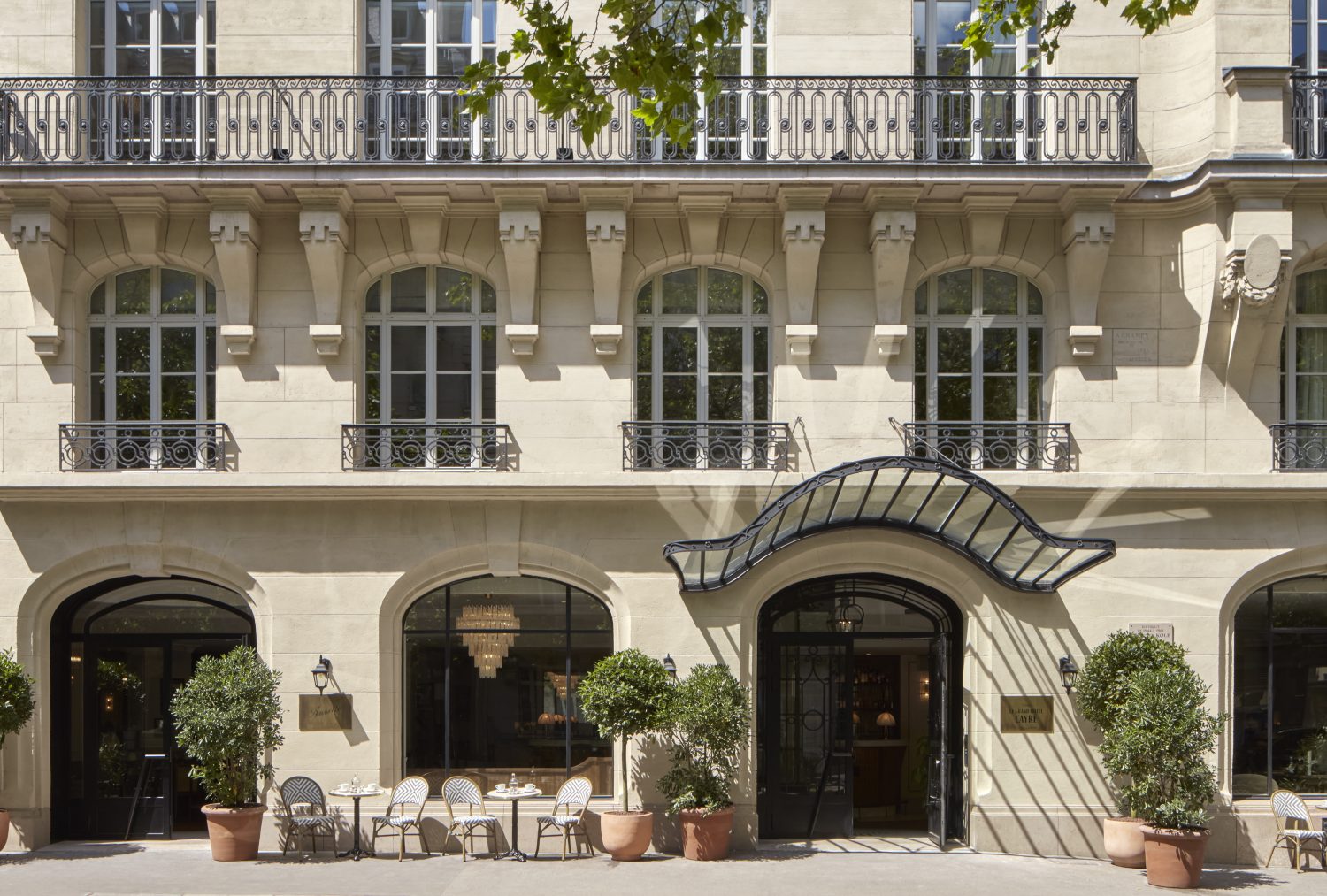
Paris was our first stop rather than simply somewhere to change trains, turning the journey south into a fun city break. We spent two nights at Le Grand Cayre, a stylish Left Bank base in Saint-Germain-des-Prés that put much of central Paris within easy walking distance.
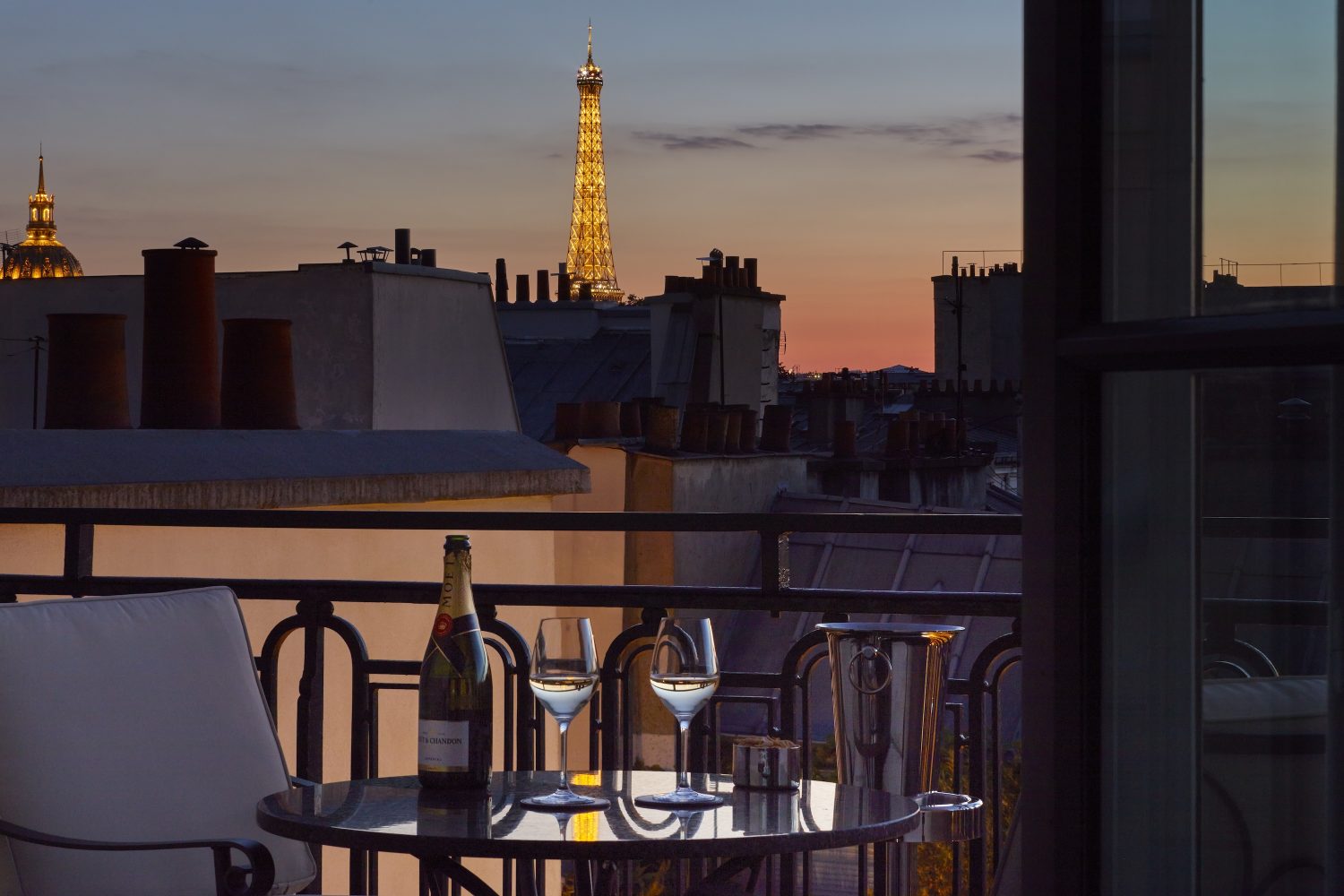
With no desire to spend our limited time queuing for museums, we treated Paris as a city to walk, eat and drink our way around, taking in its streets, neighbourhoods, cafés and some of its most recognisable sights. Coming back for dinner in Annette, the lovely hotel restaurant (try the oysters, they are sublime) and sipping wine on our little balcony, spying on the residents in the grand apartments across the road, it felt less like a stopover and more like a holiday within a holiday, with the knowledge that when it was time to leave, we could simply head to the station and continue south. Before that though, we made sure to spend time perusing the cute little shops in the streets behind the hotel and trying not to buy anything too heavy before setting off on part deux of our holiday.
Paris to Marseille in 3 Hours and 20 minutes
The next leg demonstrated just how manageable travelling through France by train can be. From Paris, an OUIGO high-speed service carried us to Marseille in around three hours and 20 minutes, and once the train leaves the capital the landscape gradually changes as it heads south, making the journey part of the experience rather than dead time between destinations. There is something rather satisfying about boarding in Paris and, a few hours later, emerging into the southern light and warmth of Marseille, with no baggage reclaim or lengthy transfer from an out-of-town airport.
Marseille is the revelation of the trip. France’s oldest city, founded by Greek settlers around 600 BC, may have centuries on the capital, but somehow feels more like Paris‘s younger, rebellious sister: louder, scruffier around the edges, more multicultural and gloriously Mediterranean, with an energy that spills out onto its streets and restaurant-filled squares. There is an extraordinary golden quality to the light too, particularly as the afternoon slips towards evening, and it is easy to understand why this part of southern France has exerted such a pull on writers and artists. D. H. Lawrence spent some of his final years just along the coast at Bandol and wrote in 1929 of returning to a place that seemed “so full of light and a certain newness”, while his fascination with Mediterranean light and colour continued to influence his later work.
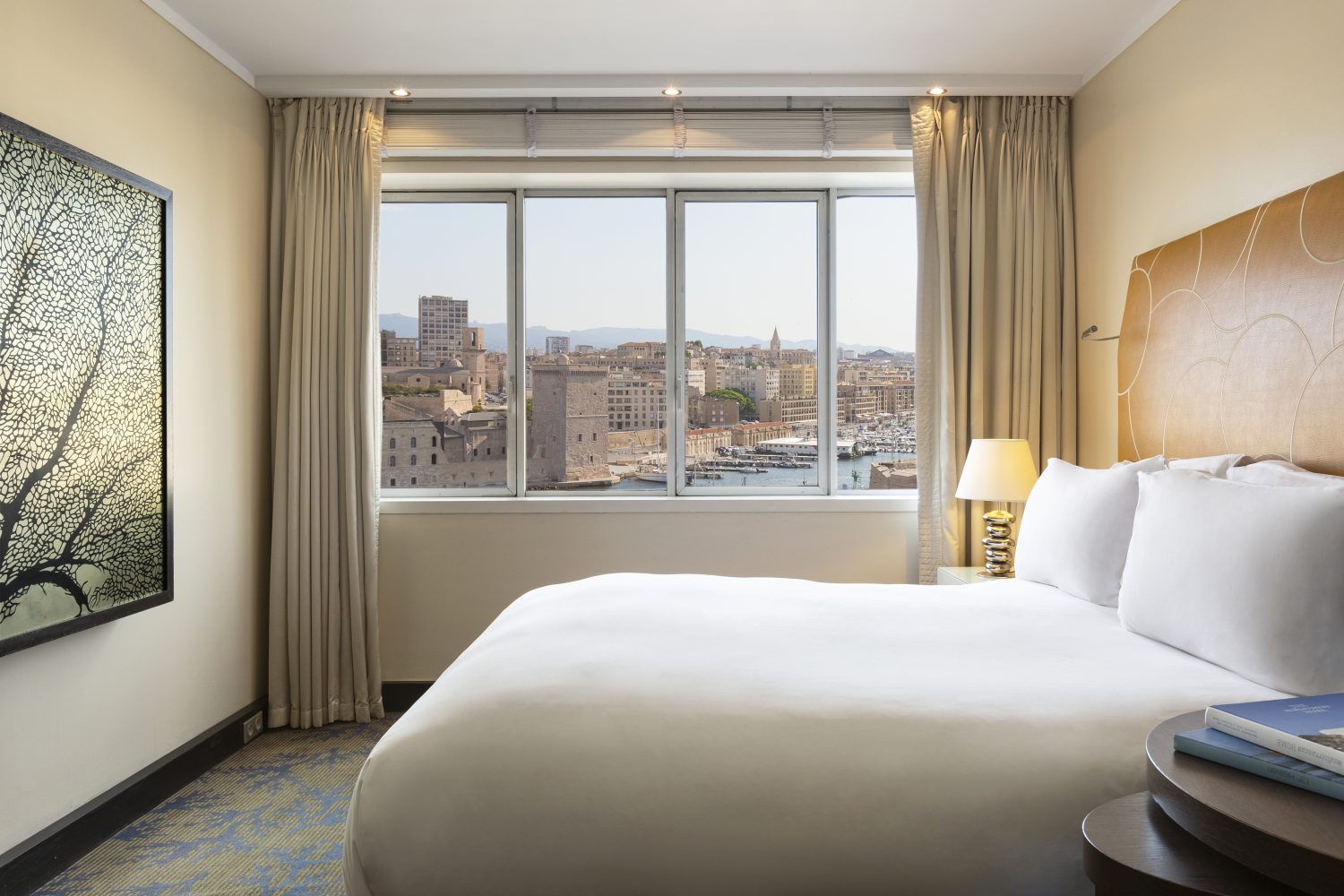
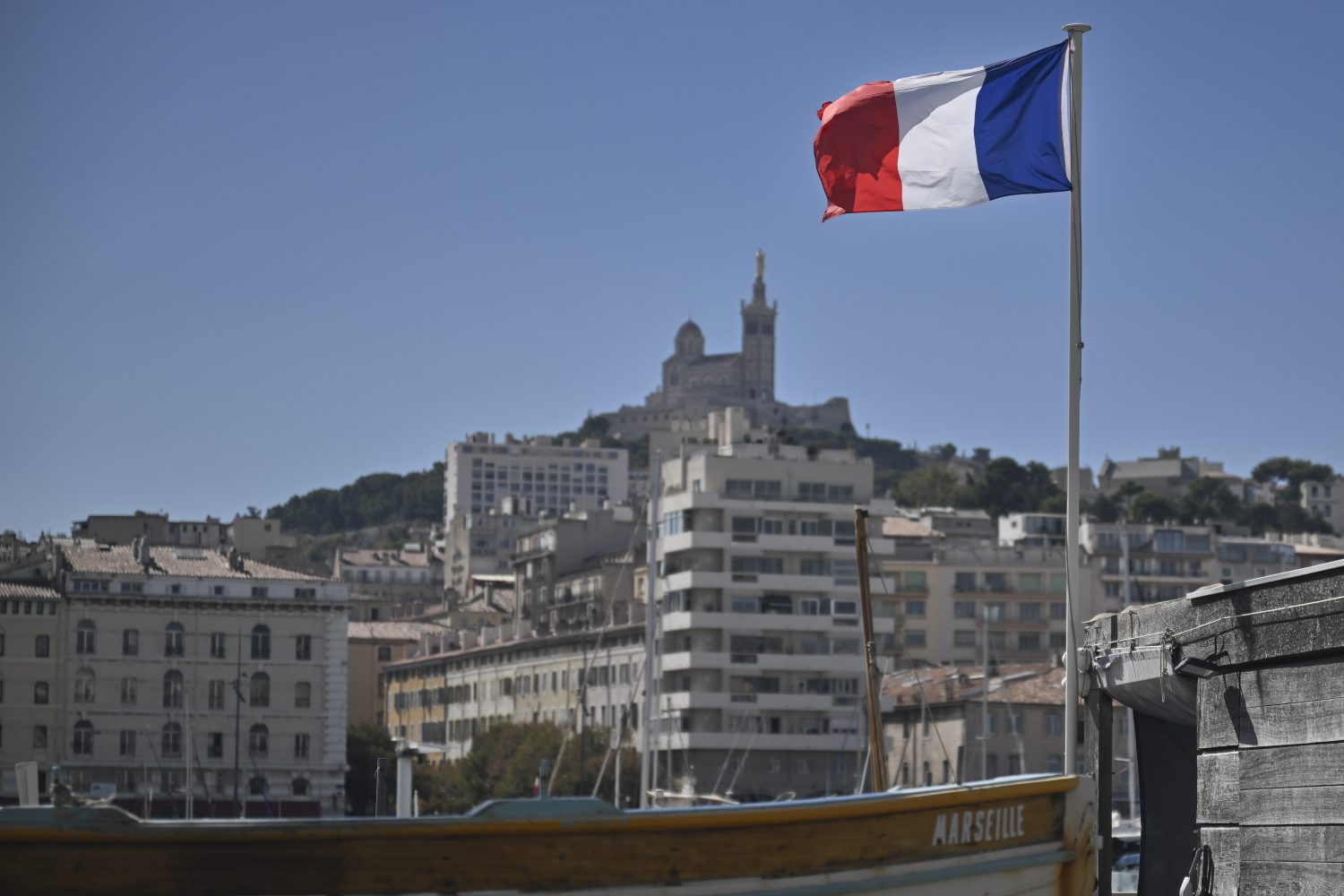
For our three-night stay we checked into the Sofitel Marseille Vieux-Port, whose elevated position above the harbour delivers the kind of view that immediately explains the city’s appeal. Fishing boats and superyachts share the water below, while the great white basilica of Notre-Dame de la Garde watches over everything from the hill above. A Marseille CityPass proves an easy way to explore, covering public transport and helping us pack plenty into three days without turning the trip into a sightseeing marathon.
We wandered through the atmospheric streets of Le Panier, travelled up to Notre-Dame de la Garde (take the hop-on-hop-off bus for this as it’s hilly!) and discovered just how sociable Marseille becomes as evening approaches. Around the Vieux-Port, large pedestrianised squares such as Place aux Huiles and Cours Honoré-d’Estienne-d’Orves are packed with restaurant and bar terraces, creating an almost Italian piazza feel as tables fill and the light begins to soften. Elsewhere, neighbourhoods such as Cours Julien and Le Panier show another side of the city, with street art, independent businesses and a younger, alternative energy.
Eating Out in Marseille
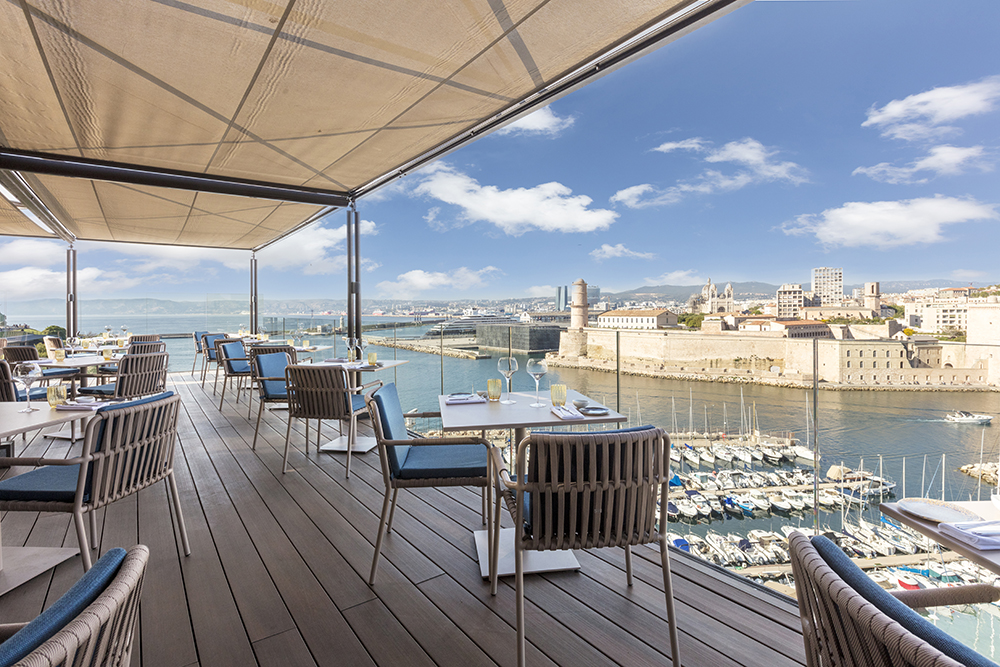
Our dinners showed three rather different sides of Marseille’s food scene. Ciel delivers drama before a plate even arrives, with its rooftop setting and views across the city, while Sage (noted in the Michelin Guide) offered a more intimate take on contemporary dining. At seafood-focused Coquille Bistrot Marin, one of the most memorable dishes was also one of the simplest: roasted cod loin with spring vegetables and a loose, intensely fresh pesto, the sort of dish that has you discussing how to recreate it at home before you have even left the restaurant. That variety is part of Marseille’s charm. This is a port city with influences arriving from across the Mediterranean, and eating here can move from polished rooftop dining to little neighbourhood restaurants and bustling terraces without ever feeling overly formal. The food, like Marseille itself, feels relaxed, sociable and rooted in its location.
Escape to Frioul
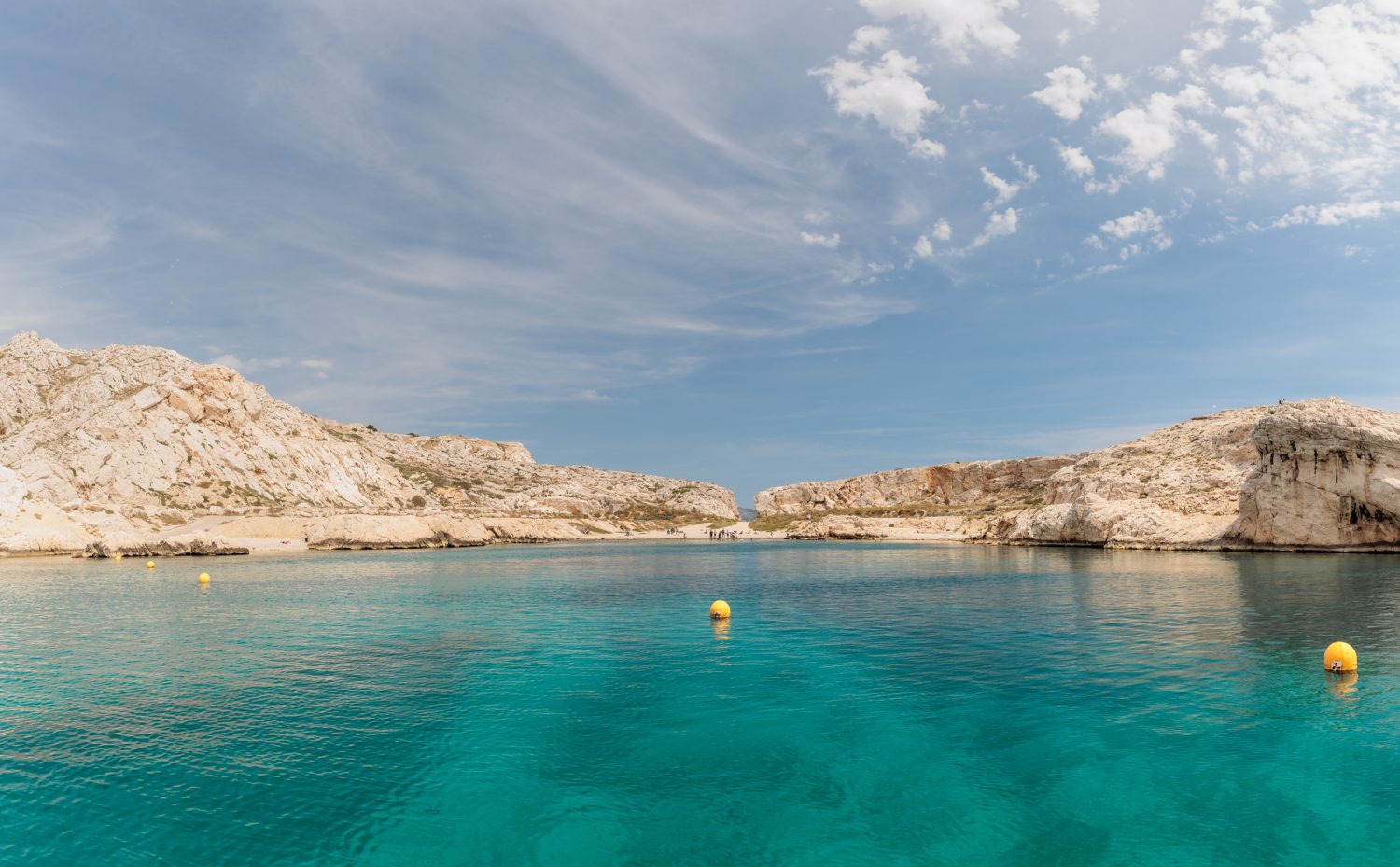
One of our favourite excursions involved leaving Marseille behind altogether. From the Vieux-Port we took the ferry out to the Frioul archipelago, the rocky islands sitting just off the Marseille coast, and the short sea journey gave us a completely different perspective on the city. Once ashore, Frioul felt surprisingly wild and removed from urban Marseille, with clear Mediterranean water, rugged coastline and the sense that we had travelled much farther than the short boat ride suggested.
Lunch provided an unexpected lesson in the confidence of the local wildlife. We had barely settled down with our food before a particularly determined seagull began assessing its chances of stealing it, although we successfully defended our lunch and then watched a school group arrive nearby. Inevitably, one opportunistic gull swooped, snatched an entire baguette sandwich from the hands of a thoroughly traumatised child and made its escape, a moment that was admittedly easier to find funny when it wasn’t our baguette.
In Marseille, winter daytime temperatures typically hover around 12 to 14°C, and while the infamous Mistral can add a chill, blue skies and Mediterranean light make wandering the Vieux-Port, Le Panier and waterfront considerably more appealing than a grey weekend at home. Better still, travelling out of season means fewer crowds, making winter an excellent time to experience France’s oldest city at a more leisurely pace.
Why Rail is Making More Sense
For the return journey we tried another option, travelling from Marseille to Paris with Italian operator Frecciarossa. The arrival of competing high-speed rail operators on French routes makes travelling by train even more interesting, giving passengers greater choice over timings, fares and levels of comfort. It also reinforced one of the biggest discoveries of the trip: long-distance rail travel doesn’t have to feel like something endured in order to reach a destination.
There will always be journeys where flying makes more sense, particularly when time is tight or rail fares are high, but comparing a flight time with a train time rarely tells the whole story. A flight means travelling to an airport, arriving well ahead of departure, navigating security, waiting at the gate and then making another journey from the destination airport into town. A train from London to Paris, or Paris to Marseille, takes you from one city centre to another and, booked carefully, can be surprisingly affordable as well as considerably less stressful. At a time when air travel can feel increasingly unpredictable, and when the cost of flying is vulnerable to everything from fuel prices to disruption, Europe’s expanding high-speed rail network presents an increasingly compelling alternative. More importantly, perhaps, travelling from London to Paris and onwards to Marseille reminded us that the journey itself can be one of the pleasures of a holiday, rather than something to be survived before it begins.
@villemarseille | marseille-tourisme.com
Fact box:
Eurostar: Lead in rates at £39 each way for Standard, Premier is £245 one-way (based on a return ticket) for London routes.
London: The Standard: Rooms from £217 a night, room only
Paris: Le Grand Cayre: Rooms from £251 a night, room only