Shoes can make an outfit feel put together or completely mismatched. The challenge is that what works for a relaxed Saturday may not suit an office meeting or dinner reservation. Comfort matters just as much, particularly when you expect to spend hours on your feet.
That is why choosing the right casual shoes for men is less about following trends and more about matching footwear to your routine. Once you understand fit, materials, comfort, and the required level of formality, building a versatile shoe rotation becomes much easier.
What Actually Makes a Good Men’s Casual Shoe?
A useful casual shoe sits somewhere between a performance sneaker and a traditional dress shoe. It should feel comfortable enough for regular wear while looking polished enough to work with more than gym clothes.
Versatility is especially important. A clean sneaker, for example, can work with jeans on the weekend and chinos at a casual office. A relaxed Oxford can take the same idea slightly further toward the formal end of the spectrum.
Comfort should remain part of the decision. Harvard Health notes that a walking shoe should provide enough room for the toes and feel comfortable from the start, rather than relying on a lengthy break-in period. It also recommends checking whether the shoe bends easily around the ball of the foot.
How Do You Choose Casual Shoes for Different Occasions?
No single shoe performs perfectly everywhere. Instead, consider what the occasion demands and how much time you will actually spend moving around.
Everyday Errands and Relaxed Weekends
For errands, coffee runs, and informal weekends, comfort can take priority. Lightweight sneakers and flexible casual shoes are practical because they support easy movement without making an outfit look overly sporty.
Neutral colors are also easier to style. White or gray sneakers work naturally with jeans, while black and navy can provide a slightly cleaner finish.
Smart-Casual Offices
Workplaces with relaxed dress codes create a different challenge. Running shoes may look too athletic, while traditional dress shoes can feel unnecessarily formal.
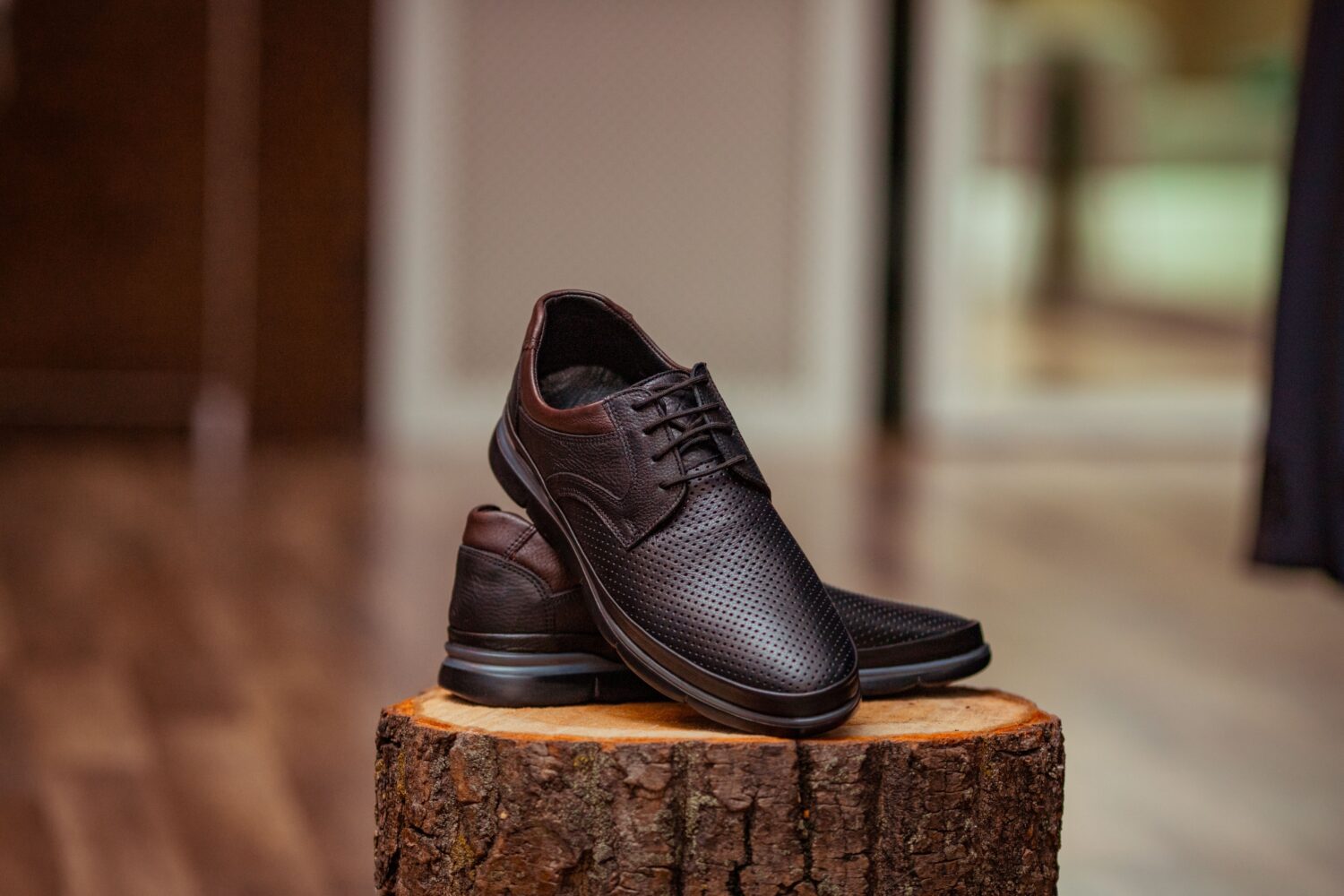
Minimalist sneakers, dress sneakers, and casual Oxfords offer a useful middle ground. Pair them with chinos and a button-down shirt for an outfit that feels professional without becoming stiff.
Keep the design relatively simple. Excessive branding, bright color combinations, or bulky athletic soles can make an otherwise polished outfit appear more casual than intended.
Dinner Dates and Social Events
Evening plans usually call for intentional footwear. A sleek leather sneaker can work well with dark jeans and a fitted shirt. Loafers are another strong choice when the outfit leans smarter. If you are wearing tailored trousers, a casual Oxford can create an even more refined finish. The goal is to attain visual balance. Your footwear should look as considered as the rest of your outfit.
Travel and Long Days on Your Feet
Travel changes the priorities because walking time can increase considerably. Harvard Health explains that walking involves a heel-to-toe rolling movement and notes that walking shoes commonly use softer, flexible soles to support that motion.
For travel, look for footwear with comfortable cushioning and enough toe room. Breathable uppers can also be useful in warm conditions. A versatile pair that works for daytime sightseeing and casual evening dining may also reduce how much footwear you need to pack.
Outdoor Gatherings
A garden party and an indoor dinner might share a casual dress code, but their footwear requirements differ.
For outdoor occasions, pay more attention to the outsole and upper material. Delicate finishes can be inconvenient on grass or uneven surfaces. Casual boots or durable sneakers are often more practical, particularly when the weather is unpredictable.
Business-Casual Meetings
Business casual requires a little more refinement than ordinary office wear.
Casual Oxfords and understated dress sneakers can work particularly well with chinos, tailored trousers, and an unstructured jacket. However, context still matters. If the meeting involves a conservative industry or a more formal client, traditional dress shoes may remain the safer option.
Which Casual Shoe Style Works Best?
Different styles solve different wardrobe problems. Rather than buying several similar pairs, think about where each shoe earns its place.
| Shoe Style | Best For | Easy Pairing | Main Advantage |
| Minimalist sneakers | Everyday wear | Jeans or chinos | Versatility |
| Casual Oxfords | Office wear | Chinos or trousers | Refined appearance |
| Loafers | Social occasions | Chinos or smart trousers | Easy sophistication |
| Knit sneakers | Travel and walking | Jeans or casual pants | Lightweight comfort |
| Casual boots | Cooler weather | Denim or chinos | Coverage and durability |
What Should You Check Before Buying Casual Shoes?
Once you know which style suits the occasion, a few practical details can help you choose a pair that stays comfortable and useful over time.
Get the Fit Right
Shoe sizing varies between designs, so consider width as carefully as length. Harvard Health recommends leaving roughly a quarter to half an inch between your longest toe and the front of the shoe and walking around to check for rubbing or discomfort. If the sides feel compressed, a wider fit may work better than simply sizing up.
Consider Cushioning and Flexibility
More cushioning doesn’t always mean more comfort, since the right level depends on how you plan to use the shoes. For regular walking, look for a sole that flexes naturally near the ball of the foot rather than feeling overly rigid.
Choose Materials for the Occasion
Leather and leather-look uppers offer a polished appearance that suits offices and social occasions. Mesh or knit materials feel more relaxed and breathable, making them practical for travel or warm-weather wear.
Think Beyond Your Favorite Color
Black and brown are dependable choices, while white, navy, and gray can also complement many casual outfits. Before choosing a bolder shade, consider how easily it will work with clothes you already own.
Conclusion
The right casual shoes should complement your lifestyle rather than simply follow the latest trend. Start with a comfortable fit, then consider where you plan to wear the shoes and how well their materials and design suit that setting.
A carefully chosen rotation can cover everyday errands, office days, travel, and social occasions without requiring a different pair for every outfit. If you want to expand that rotation, Bruno Marc offers casual footwear in a range of styles for different everyday occasions.