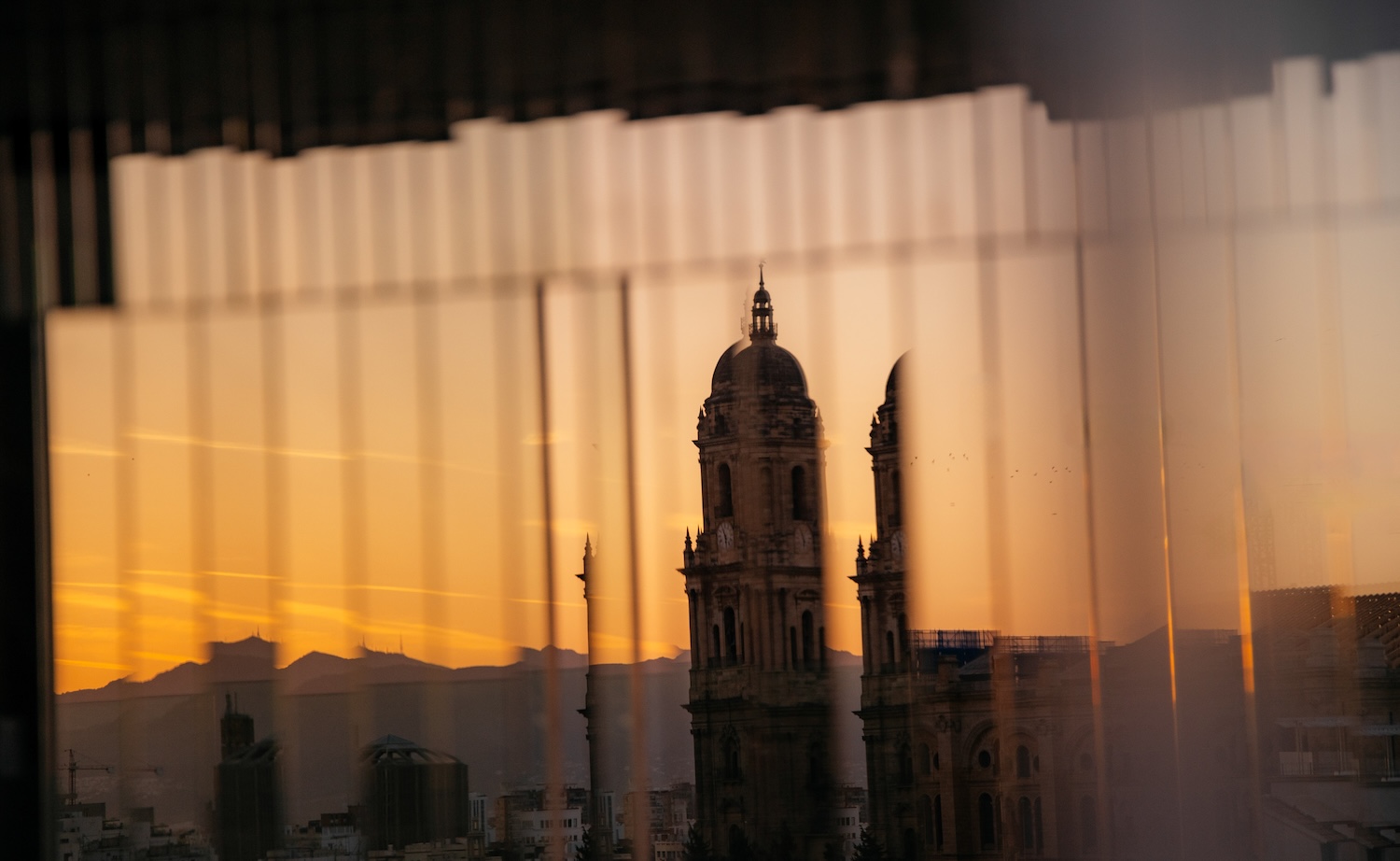
From Málaga’s thriving cultural scene to the laid-back elegance of Estepona and the beach clubs of Marbella, I spent five days discovering a very different side to Spain’s most famous stretch of coastline.
The Costa del Sol has quietly reinvented itself while many of us weren’t paying attention. For years it was easy to dismiss this stretch of southern Spain as somewhere to fly into before carrying on elsewhere, or to associate it with package holidays, all-day breakfasts and rows of sunbeds. Those holidays still exist if that’s what you’re looking for, but they’ve been joined by boutique hotels, exciting restaurants and towns that each have their own personality. Spending a few days travelling from Málaga to Estepona and then back through to Marbella quickly showed me that this coastline has grown up, and perhaps it’s time the rest of us caught up too.
Málaga couldn’t have been a better place to start. Founded almost 2,800 years ago, it’s widely regarded as Spain’s second oldest city after Cádiz, yet it’s remarkable how many people still treat it as little more than the airport for the Costa del Sol. That feels increasingly unfair because there’s enough here to justify a city break in its own right. History sits comfortably alongside contemporary galleries and rooftop bars, smart shopping streets lead into leafy squares filled with cafés and restaurants, and despite welcoming millions of visitors every year, the city somehow manages to feel authentic rather than manufactured for tourists. I arrived expecting to enjoy it for an afternoon before moving on and instead left wishing I’d booked an extra night.
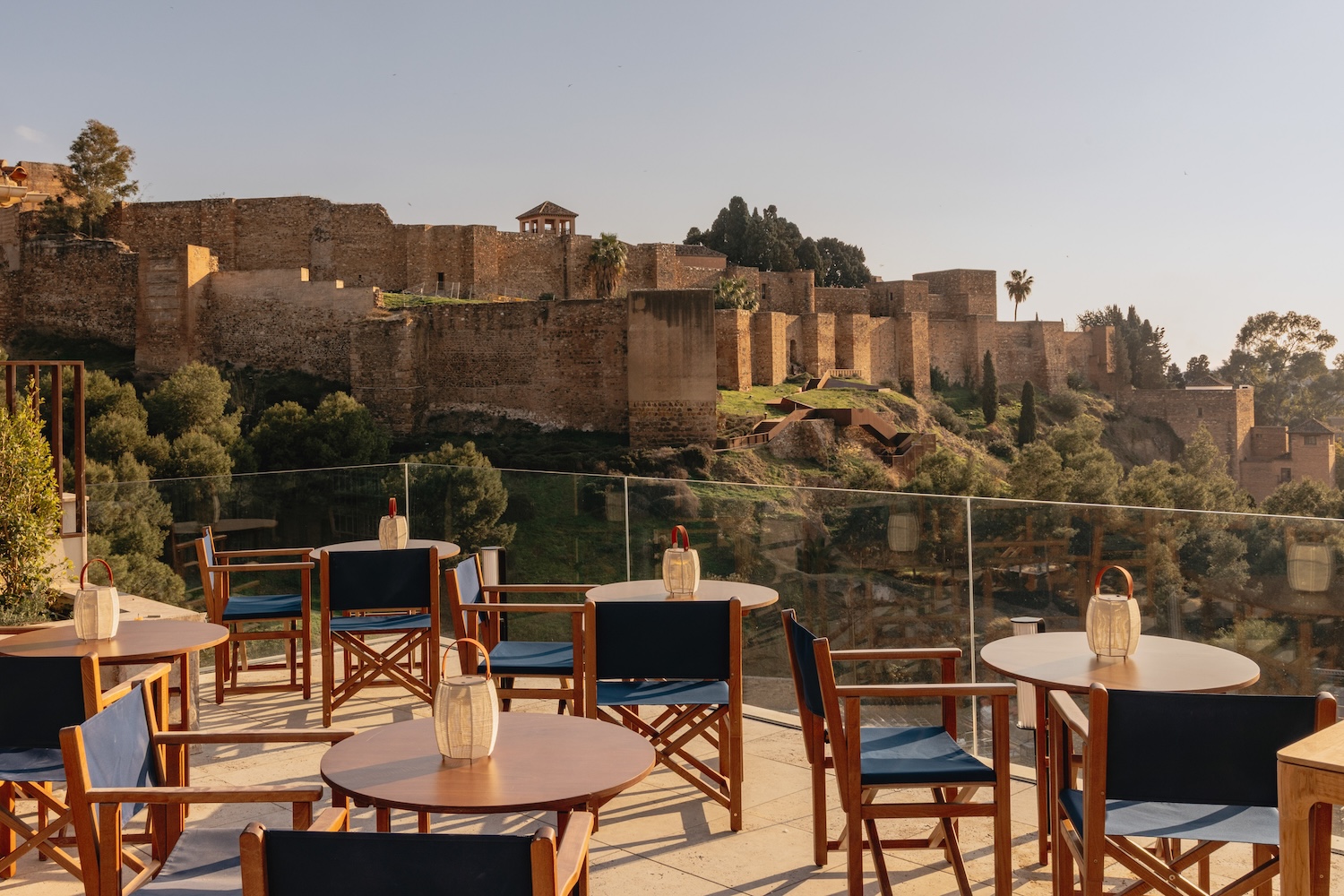
That first impression was helped by staying at the newly opened ME Málaga, right in the heart of the historic centre. The hotel takes its inspiration from the city around it, celebrating Málaga’s artistic heritage through works influenced by Picasso, who was born here, alongside contemporary Spanish artists, while the rooftop (with pool) has become one of the city’s newest places to eat and drink. Being able to step straight out into the old town meant we spent the afternoon wandering without much of a plan, dipping in and out of independent shops, pausing to admire the Alcazaba, stopping for coffee whenever somewhere looked inviting and generally doing what I think is the best way to discover any new city, which is allowing yourself to get slightly lost. If you have time, check out the Picasso museum to learn more about the artist’s life as well as his work. He had what you could call a very colourful life!
Leaving Málaga behind, we headed west along the coast towards Sotogrande, stopping for lunch at MiM Sotogrande, the stylish hotel owned by Lionel Messi. Even if football isn’t your thing, it’s hard not to smile when you walk into reception and find one of his Ballon d’Or trophies proudly on display. It’s an unexpected touch that immediately tells you whose hotel you’ve arrived at, although beyond that the atmosphere is understated rather than flashy. We enjoyed a leisurely lunch overlooking the marina before taking a quick look around the hotel and its elegant suites. Sotogrande has always attracted a more discreet crowd than some of its neighbours, and that same relaxed sophistication carries through into the hotel, making it the perfect place to pause.
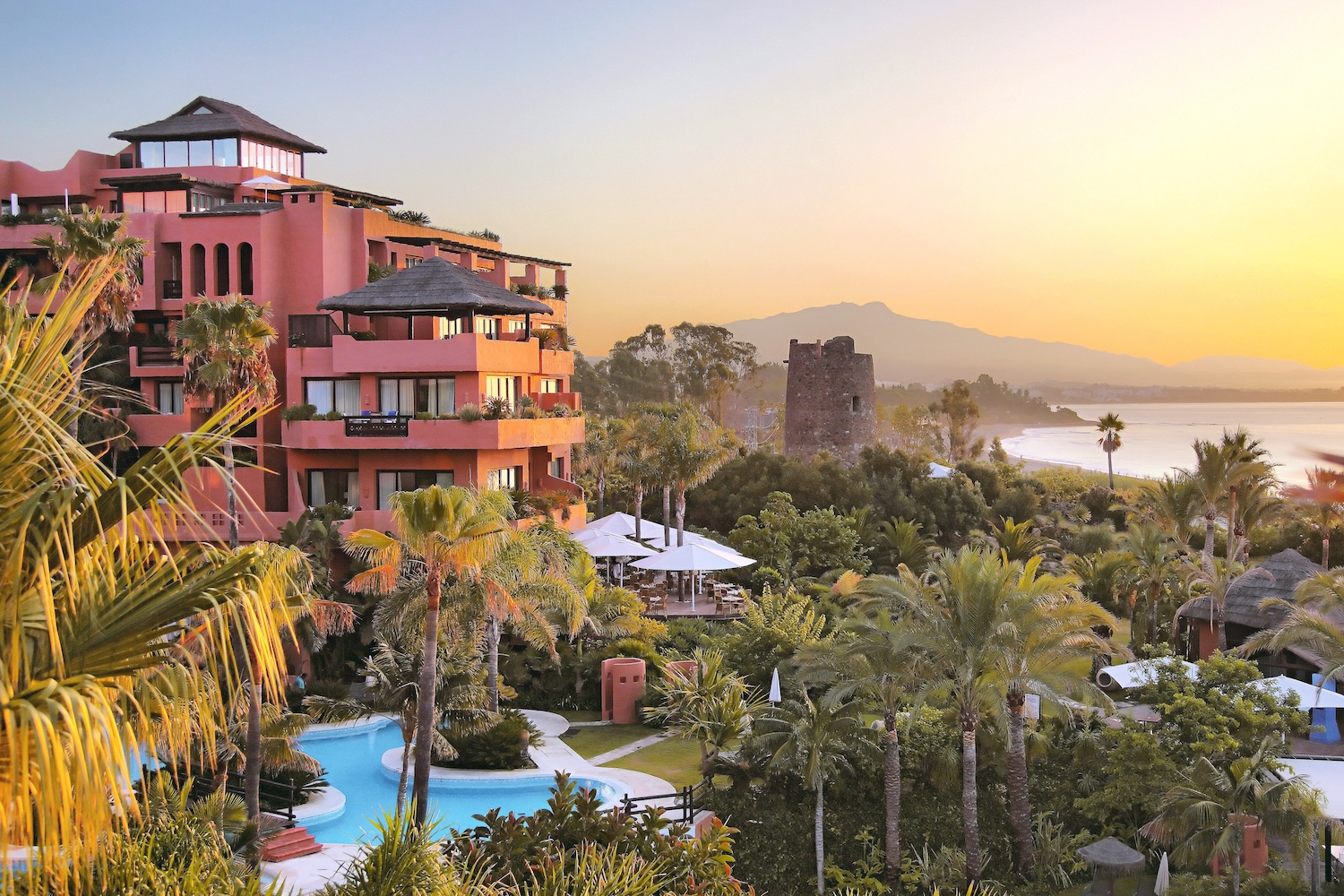
Less than an hour later, the landscape began to change as we arrived in Estepona, a town that somehow manages to retain its traditional Andalusian charm while quietly embracing a more luxurious present. Our base was Hacienda del Mar, a hotel with quite a story of its own. Originally opened as the iconic Kempinski Hotel Bahía, it has recently been transformed by Meliá into one of the newest additions to its luxury portfolio, with a sensitive refurbishment that respects the building’s original character while giving it a fresh new identity.
The first thing I noticed immediately wasn’t the fabulous lobby or even the sea views, but the architecture itself. Built in a warm terracotta shade, the hotel takes its inspiration from the surrounding landscape, with its low-rise adobe-style buildings designed to echo the silhouette and colours of the mountains behind it. Wandering through the gardens, I also spotted an old watchtower standing proudly beside the beach, a reminder that this peaceful stretch of coastline once formed part of a chain of defensive towers built to protect southern Spain from pirate raids centuries ago. It’s those little reminders of history sitting alongside contemporary luxury that give the hotel such a strong sense of place.
Although there was every temptation to claim a sunbed and stay put for the duration, Hacienda del Mar isn’t really the sort of hotel that encourages you to do nothing. We began the following morning with an outdoor yoga session listening to the waves of the Mediterranean before trying something I’d never expected to do on a luxury hotel stay: a painting workshop inspired by the colours of the landscape around us. I’m certainly no artist, but there was something wonderfully therapeutic about sitting with a paintbrush in hand, trying to capture the blue of the sea and the soft earthy tones of the buildings while forgetting about emails, deadlines and everything waiting back home.
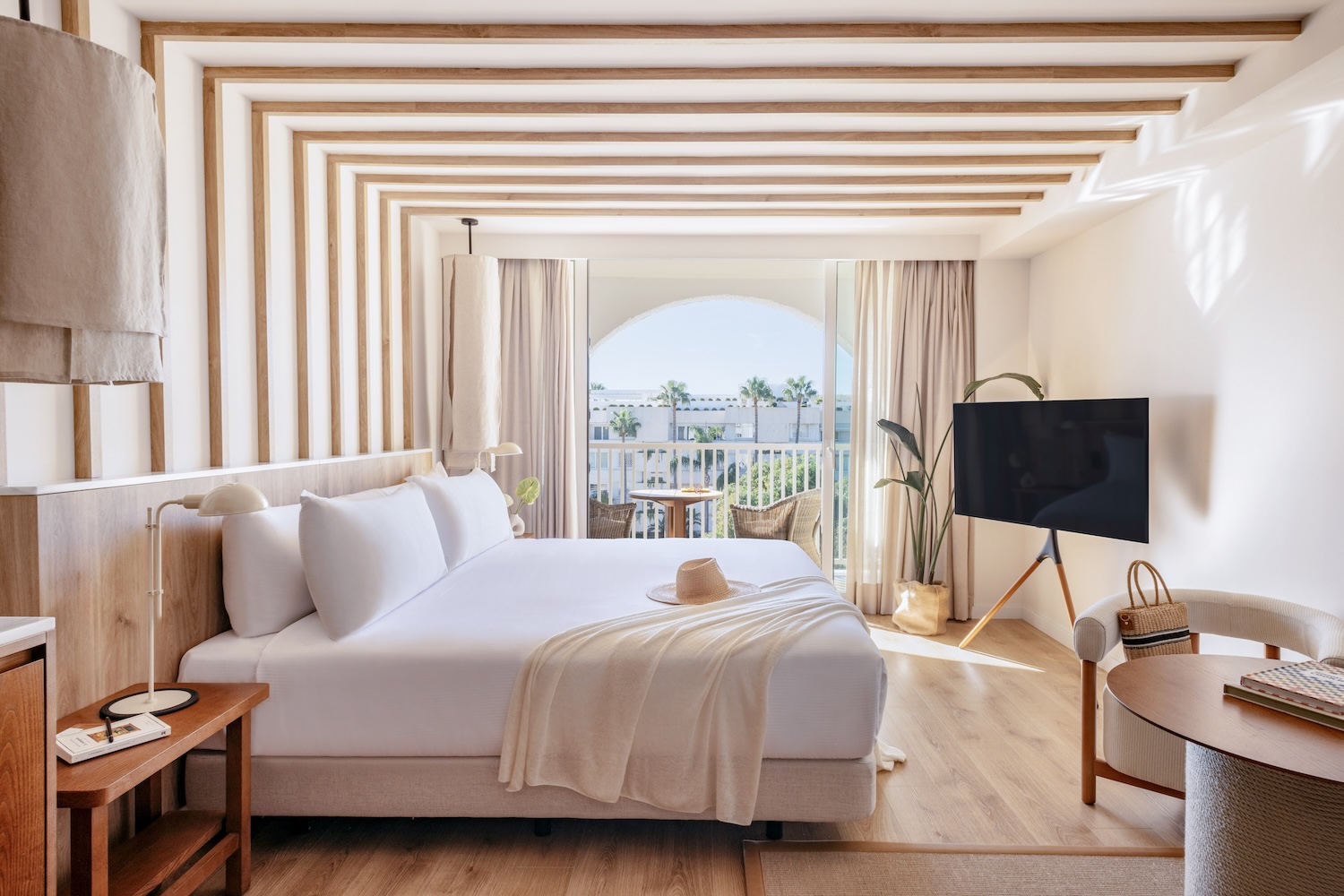
Food is another highlight here. The hotel’s Neguri Beach Club is the sort of place where lunch effortlessly stretches into the afternoon, thanks to its relaxed atmosphere, beachfront setting and menu of fresh Mediterranean dishes that are best enjoyed with a chilled glass of rosé overlooking the sea. Mornings begin at Almanera, where breakfast feels less like a buffet and more like an oasis of calm, with fresh fruit, pastries, eggs cooked to order and plenty of healthy options to fuel a day of exploring. Before leaving, I also treated myself to a blissful 30-minute neck and head massage in the spa, which was just the tonic I needed after a hectic time wandering from pool to pool.
Of course, no visit to this part of Spain would feel complete without spending time in Marbella. The town’s glamorous reputation is well deserved, although I quickly discovered there’s far more to it than designer boutiques and celebrity spotting. Our base was the stylish ME Marbella, perfectly placed for exploring both Marbella’s charming old town and the glitz of nearby Puerto Banús. After checking in, we learned to shake, stir and garnish like professionals during a cocktail masterclass before heading to La Neta, the hotel’s lively Mexican restaurant. It turned out to be the perfect place to spend the evening, especially as Spain secured victory in their World Cup match, prompting celebrations that quickly spread throughout the hotel.
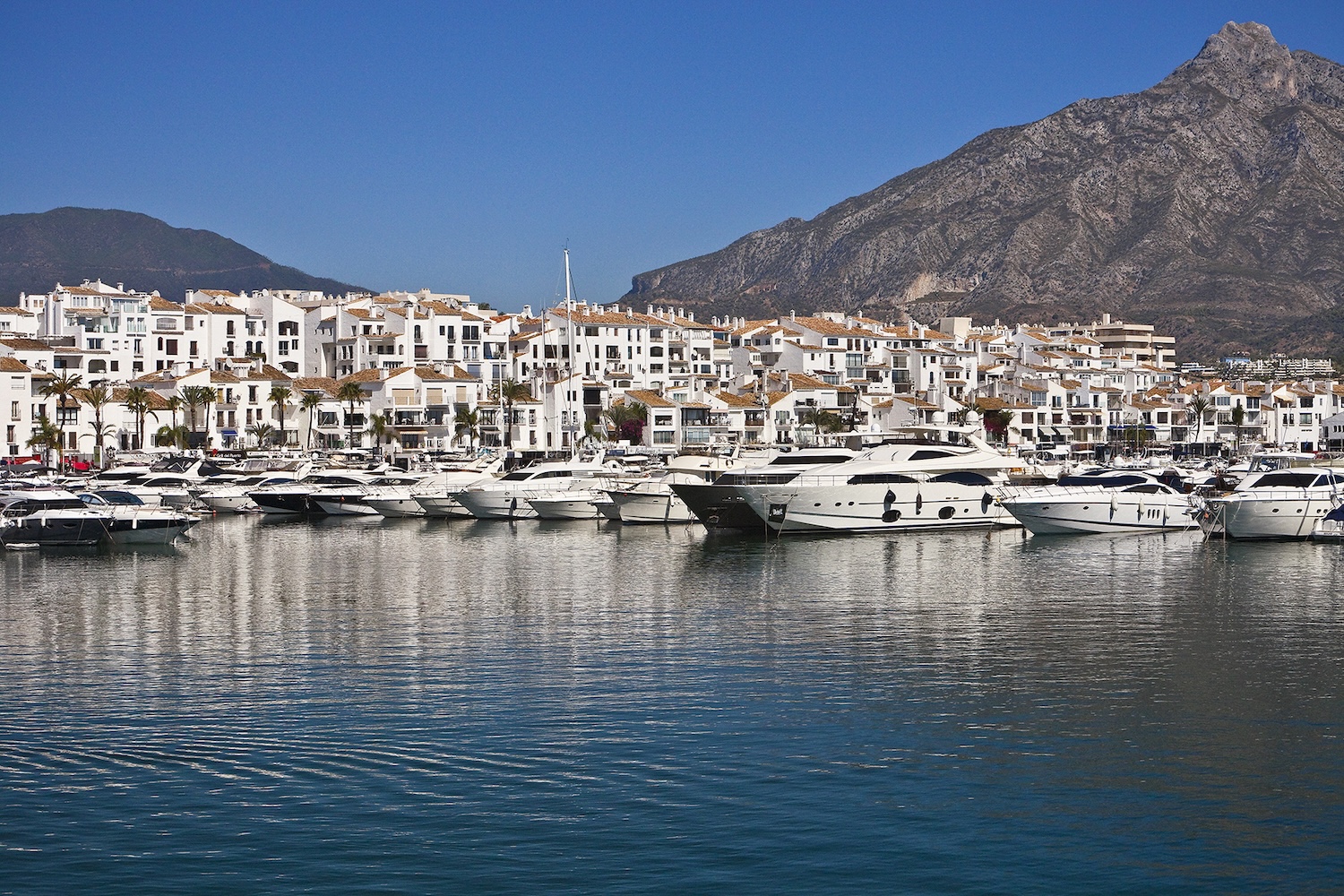
Later, we wandered down to Puerto Banús, where people-watching could easily qualify as an Olympic sport. Ferraris purred along the marina, gleaming superyachts bobbed gently in the harbour and impossibly glamorous holidaymakers strolled between waterfront bars, designer boutiques and ice cream parlours. It’s impossible not to be entertained, whether you’re admiring the boats, trying to guess who owns them or simply enjoying the atmosphere with a glass of something cold in hand.
Before this trip, I’d assumed the Costa del Sol was all about Marbella. Instead, I found three destinations that each offer something completely different. Málaga combines history, culture and a thriving food scene. Estepona delivers authentic Andalusian charm with a more relaxed pace of life. Marbella still provides the glamour it’s famous for, but balances it with excellent food, beautiful beaches and enough character to keep you coming back for more. Together, they make a surprisingly varied itinerary and one that’s left me wondering why it took me so long to discover this corner of southern Spain.
melia.com/en/hotels/spain/malaga/me-malaga
melia.com/en/hotels/spain/estepona/hotel-hacienda-del-mar
melia.com/en/hotels/spain/marbella/me-marbella