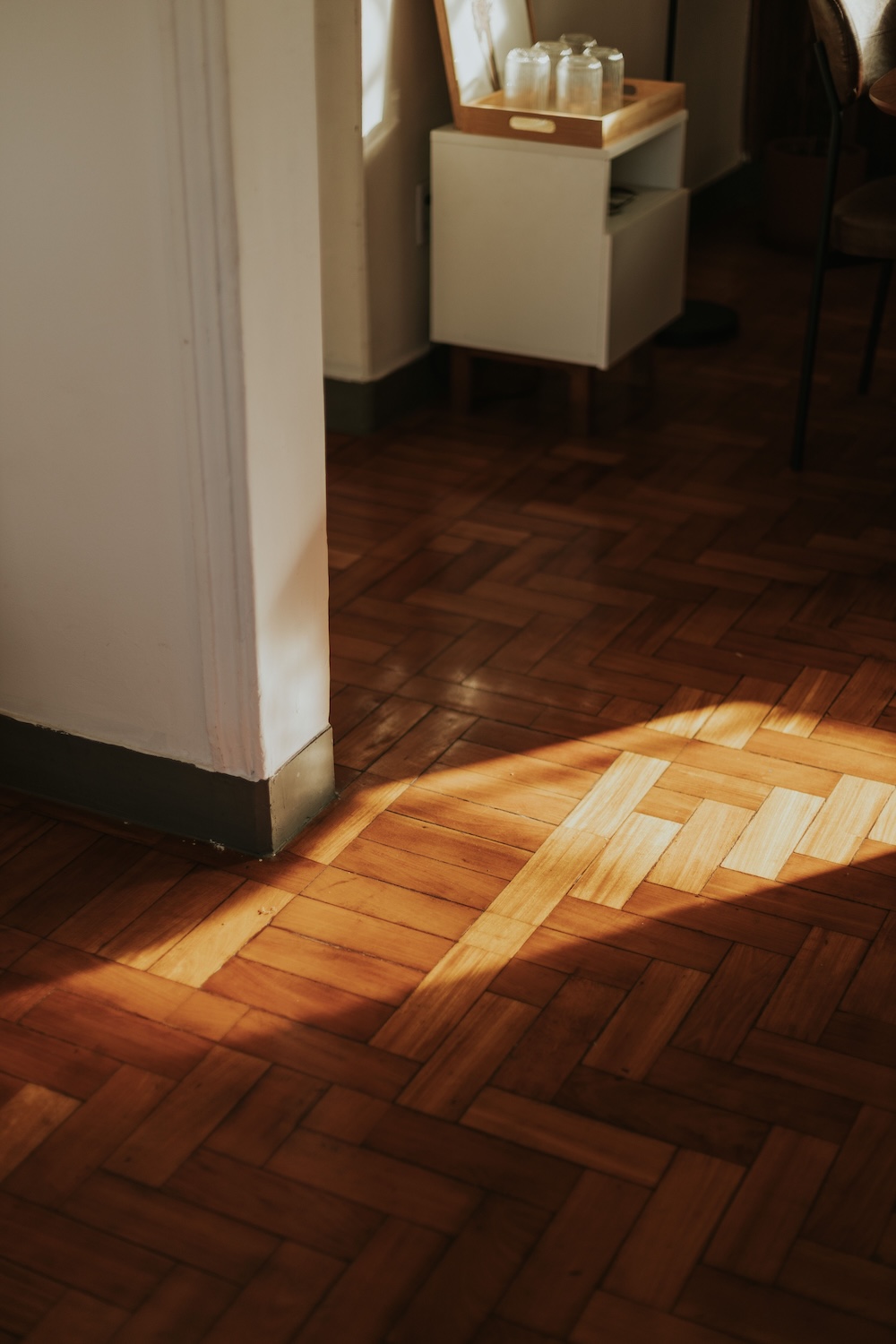
Your flooring does more than provide a surface to walk on. It influences the appearance, comfort, and functionality of every room in your home. Even high quality materials have a lifespan, and daily wear can gradually reduce their performance and visual appeal. While minor scratches or stains can often be repaired, there comes a point when replacement is the more practical and cost effective solution.
Knowing the signs of aging flooring can help you avoid bigger problems while improving the overall value and comfort of your living space.
Visible Wear That Won’t Go Away
Surface imperfections are a normal part of everyday life, but some types of damage are difficult or impossible to fix. Deep scratches, widespread stains, cracked tiles, warped hardwood, or peeling laminate often indicate that your flooring has reached the end of its useful life.
If the damage is widespread, working with a flooring installation expert like Haddon Flooring can make the replacement process much smoother. Professional installers can remove old materials, prepare the subfloor, and install new flooring correctly for long lasting results.
Replacing worn flooring not only improves your home’s appearance but also restores safety and durability for years to come.
Persistent Squeaks or Movement
Occasional creaking is common in older homes, but flooring that shifts, bounces, or feels uneven underfoot may point to more serious issues beneath the surface. Loose subfloors, weakened supports, or moisture damage can all contribute to instability.
If multiple areas throughout your home feel soft or unstable, replacing the flooring and addressing the underlying cause is often the safest approach. Ignoring these warning signs can lead to more extensive structural repairs later.
Water Damage Has Become a Problem
Moisture is one of the biggest threats to many flooring materials. Hardwood may warp, laminate can swell, and carpet padding often traps moisture that encourages mold growth.
Signs of water damage include:
- Buckling or lifting boards
- Soft or spongy areas
- Dark stains that continue to spread
- A persistent musty smell
- Mold or mildew around seams or edges
If the damage extends beyond a small section, replacing the flooring is usually more effective than repeated repairs.
Your Floors Are Difficult to Keep Clean
Older flooring often loses its protective finish over time. Scratches, worn coatings, and damaged surfaces trap dirt, making routine cleaning much less effective.
You may notice that your floors still appear dull or dirty even after mopping or vacuuming. In some cases, discoloration becomes permanent due to years of sun exposure, heavy foot traffic, or accumulated wear.
Installing new flooring can make maintenance easier while giving your home a fresher, cleaner appearance.
Your Home’s Style Has Changed
Flooring trends evolve, and so do personal preferences. A floor that looked stylish fifteen years ago may now make your entire home feel outdated.
If you’ve recently updated your kitchen, repainted your walls, or remodeled other rooms, old flooring may no longer complement the rest of your interior. Replacing it can create a more cohesive look and improve the overall flow of your living spaces.
Choosing timeless materials and neutral finishes can also help your home remain attractive for years to come.
Allergies Are Becoming More Noticeable
Older carpets can trap dust, pet dander, pollen, and other allergens despite regular cleaning. As carpets age, they become less effective at releasing these particles during vacuuming.
If household members experience increased allergy symptoms and your carpet is already approaching the end of its lifespan, replacing it with new carpet or another flooring material may contribute to a healthier indoor environment.
You’re Preparing to Sell Your Home
Worn flooring is one of the first things potential buyers notice during a showing. Damaged or outdated floors can make an otherwise well maintained home appear neglected.
Replacing old flooring before listing your property can improve first impressions, attract more buyers, and increase perceived value. While every renovation should fit your budget, updated flooring often delivers a noticeable visual impact that helps your home stand out in a competitive market.
Make the Right Investment for Your Home
Flooring experiences daily wear, so it’s natural for it to deteriorate over time. Recognizing signs such as visible damage, moisture issues, uneven surfaces, difficult maintenance, or outdated appearance allows you to plan a replacement before problems become more expensive. Investing in new flooring at the right time enhances comfort, safety, and style while helping your home remain beautiful and functional for years to come.