Five restaurants, one Fitzrovia street and a dining expedition where the most prized sightings arrive on plates
Forget lions, leopards and lumbering elephants. Charlotte Street has assembled a Big Five of its own, and hunting them down requires considerably less khaki and considerably more forward planning.
Between numbers 22 and 74, this single Fitzrovia street moves through Michelin starred Mediterranean cooking, Japanese fire, contemporary Georgian flavours, an immersive chef’s counter and one of London’s most ambitious recent openings. The restaurants are separated by little more than a few minutes on foot, yet each offers an entirely different argument for surrendering an evening and a meaningful portion of your bank balance.
This is not simply a list of five good places to eat. Together, they explain why Charlotte Street remains one of London’s most compelling dining destinations, even as the capital’s attention ricochets between whichever neighbourhood has most recently acquired a small plates restaurant and an expensive bakery.
No binoculars are necessary. Reservations, however, are strongly advised.
The Ninth: The Quiet Powerhouse
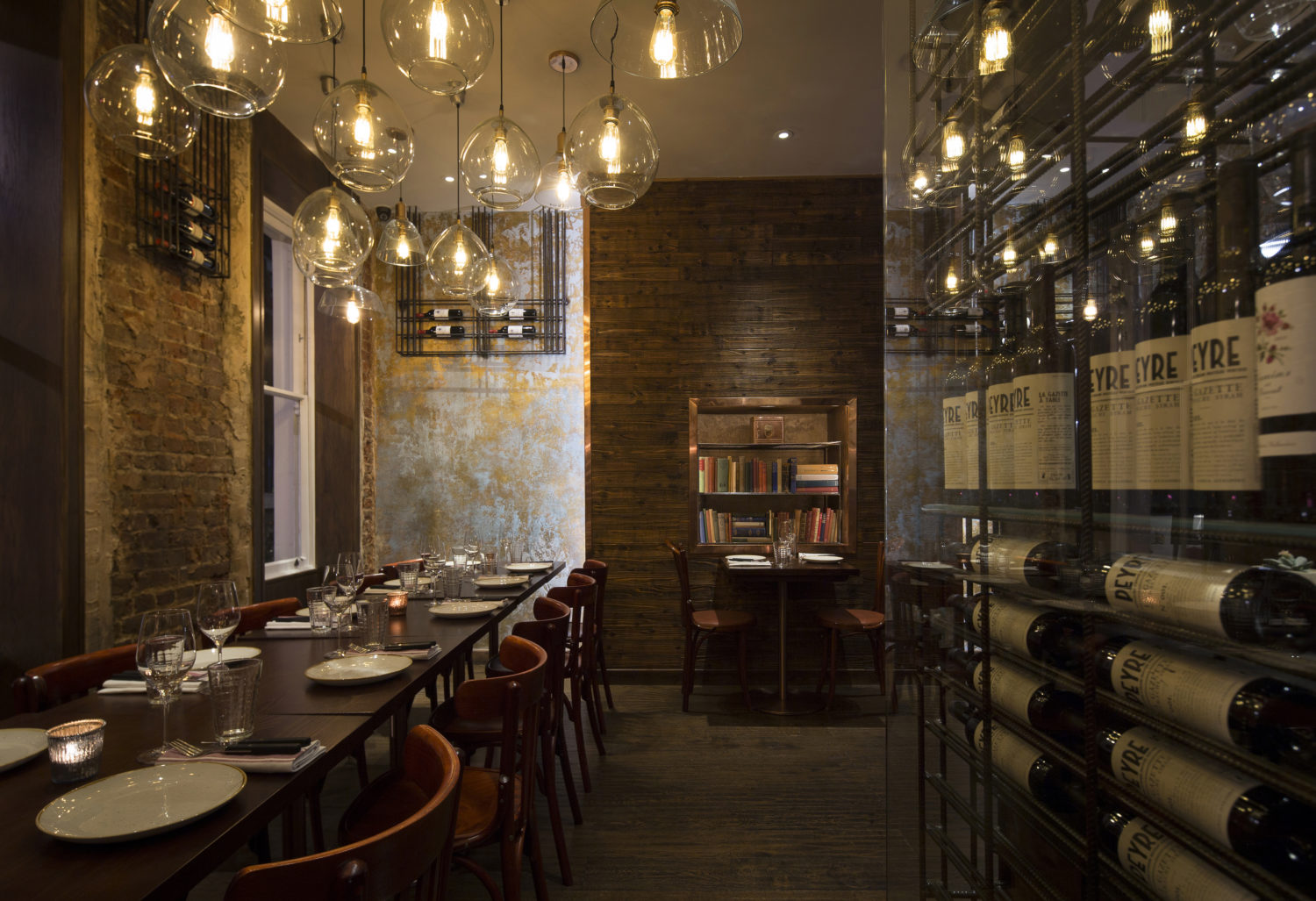
The expedition begins at number 22, where chef owner Jun Tanaka has created the sort of Michelin starred restaurant people actually return to, rather than visit once to commemorate a promotion.
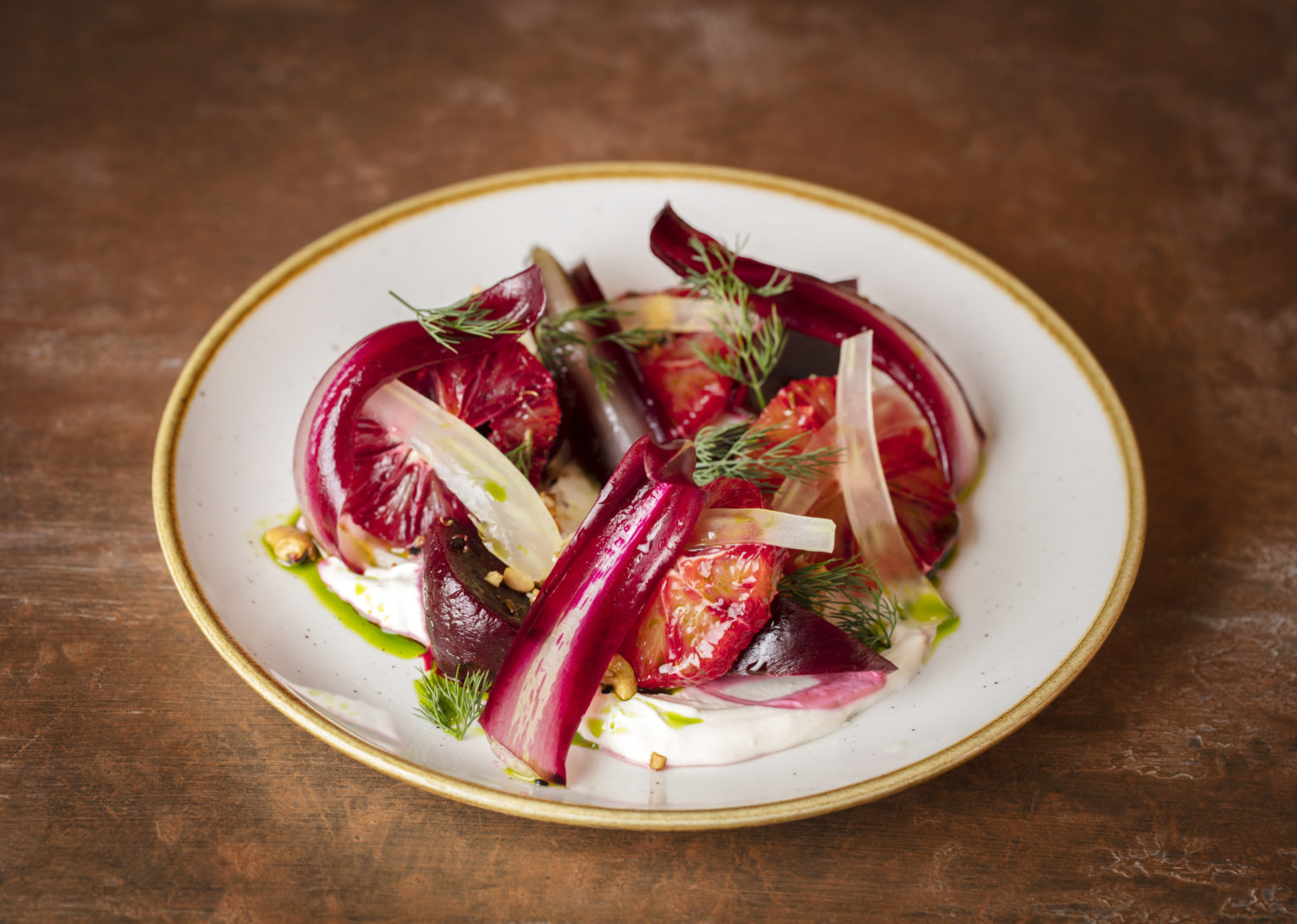
The Ninth opened in 2015 and received its Michelin star the following year. Its Mediterranean inspired menu centres on seasonal produce and dishes designed to be shared, with homemade pasta and carefully handled meat and fish among its foundations. The cooking is precise, but the experience remains refreshingly free from ceremony.
This is food with confidence rather than ego. Plates arrive at the table intended to be passed around, although generosity may briefly desert you when the pain perdu appears. Crisp, deeply caramelised and almost indecently soft inside, it is not so much a dessert as a Charlotte Street landmark.
The Ninth is the most understated member of the Big Five. It does not roar for attention. It has no need to.
@theninthlondon | theninthlondon.com
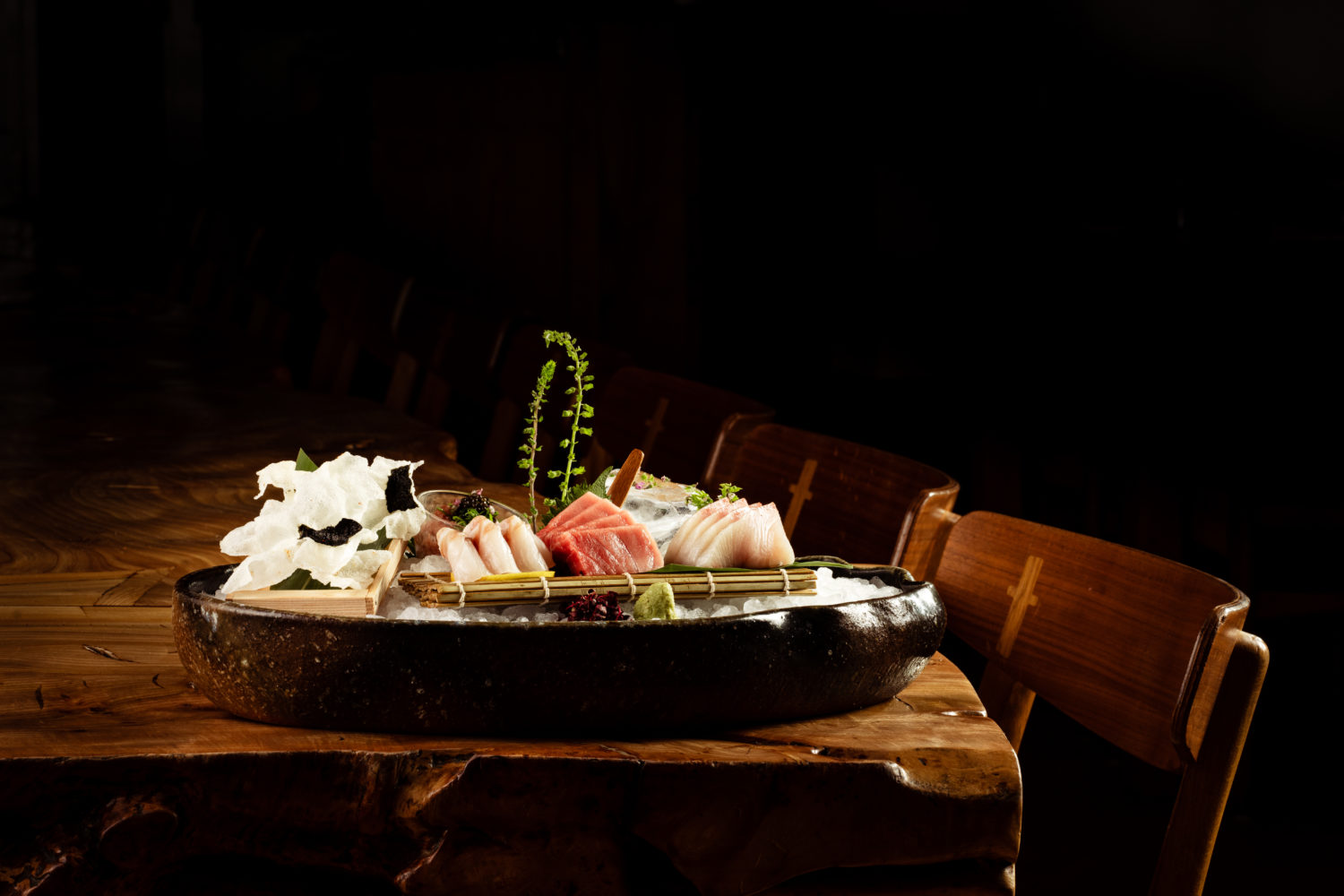
ROKA: The Firestarter
At number 37, the atmosphere changes. The original ROKA opened on Charlotte Street in 2004 with its robata grill at the centre of the restaurant, bringing contemporary Japanese robatayaki cooking to London in a room designed around the energy and spectacle of fire.
More than two decades later, it still feels remarkably alive. The grill glows, chefs move around it with choreographed speed and plates arrive in the sort of enthusiastic succession that makes measured ordering feel both impossible and unnecessary.
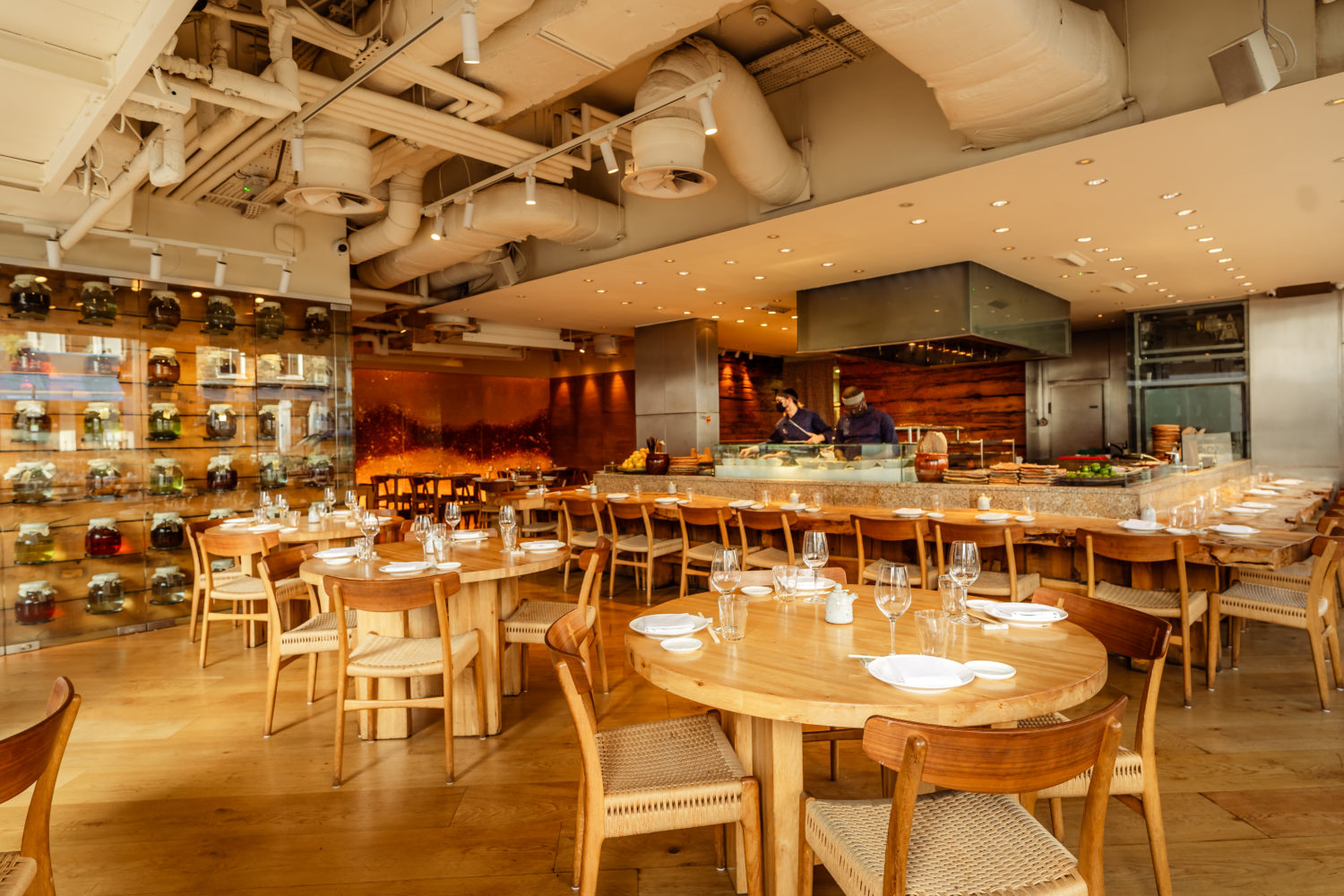
Sushi, sashimi and tempura may begin proceedings, but the robata provides the restaurant’s pulse. Meat, fish and vegetables emerge smoky, glazed and charred in all the right places. ROKA is glossy without becoming stiff and glamorous without demanding that everyone whisper.
Downstairs, Shochu Lounge waits for those who regard dinner as merely the opening act. Among the five, ROKA is the natural extrovert. It has been working the room since 2004 and has not lost its touch.
@rokarestaurant.uk | rokarestaurant.com
Kinkally: The Rare Breed
Continue to number 43 and the trail takes an unexpected turn towards Georgia.
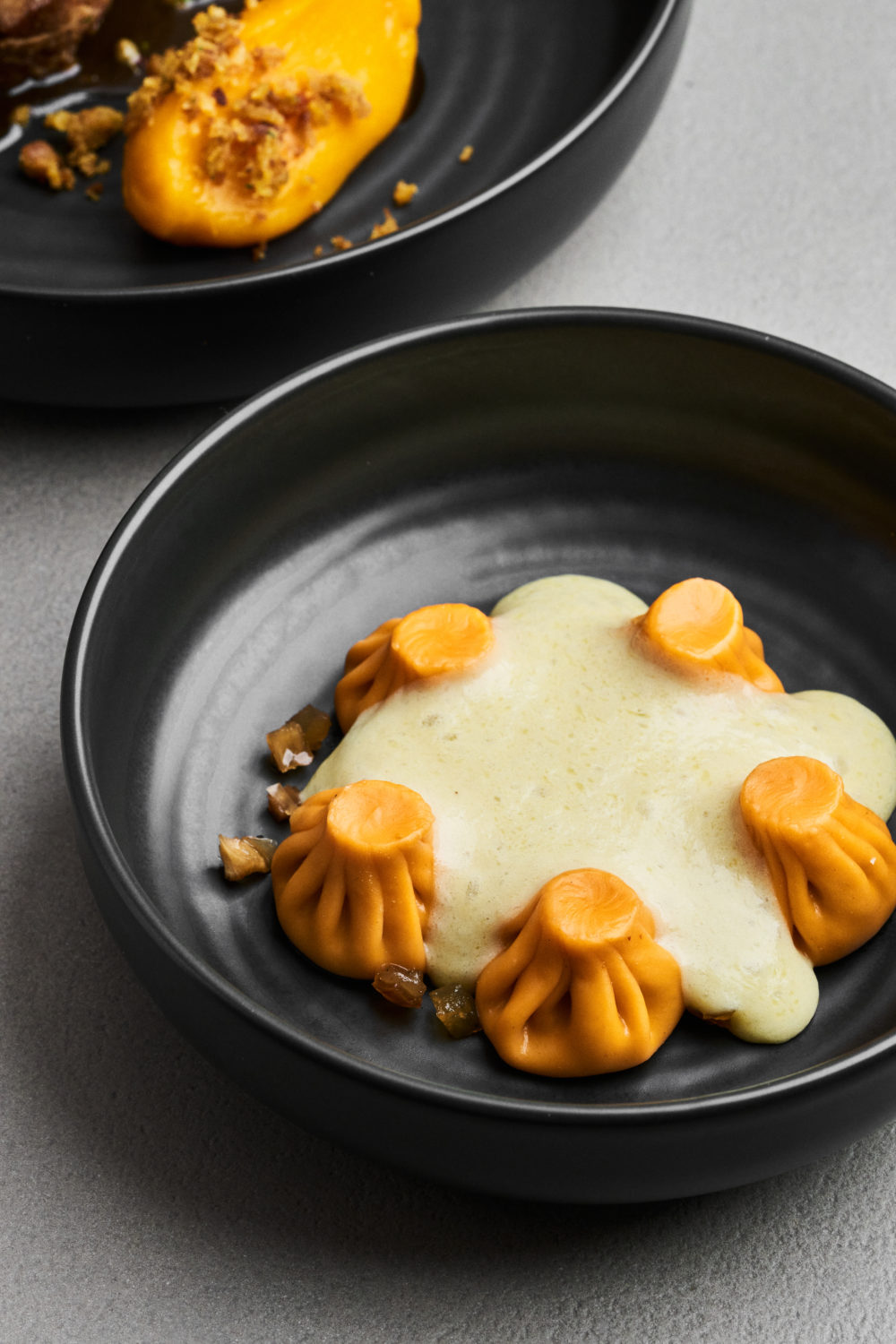
Kinkally takes its name from khinkali, the Georgian soup dumplings recognised by their twisted handles. Here, the traditional dish is reworked with fillings that may include beef, pumpkin or langoustine, alongside Georgian influenced small and large plates such as pkhali and chkmeruli.
The restaurant does not rely on rustic nostalgia. Its approach is polished, contemporary and designed for modern London, translating Georgian flavours through elegant presentation and a seductive setting. The khinkali remain the headline act, delicate parcels that require a little technique and discourage dignity once their broth begins escaping.
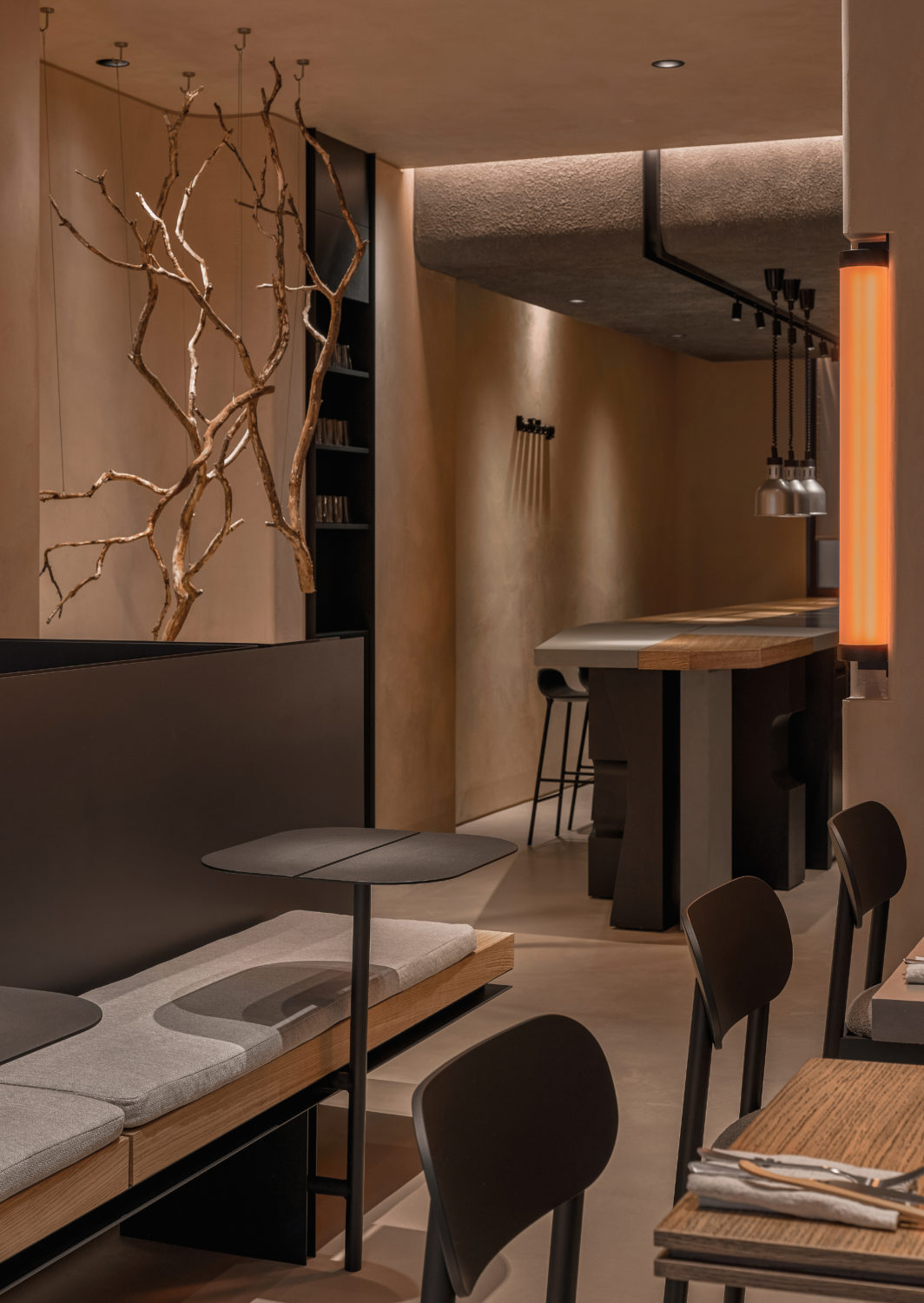
Kinkally also conceals Bar Kinky beneath the restaurant, a subterranean cocktail bar operating on a walk in basis. It gives this member of the Big Five a split personality: refined Georgian cooking upstairs, darker late night behaviour below.
Charlotte Street already offered Mediterranean, Japanese and modern British heavyweights. Kinkally brought something genuinely different to the territory.
@kinkally.restaurant | kinkally.co.uk
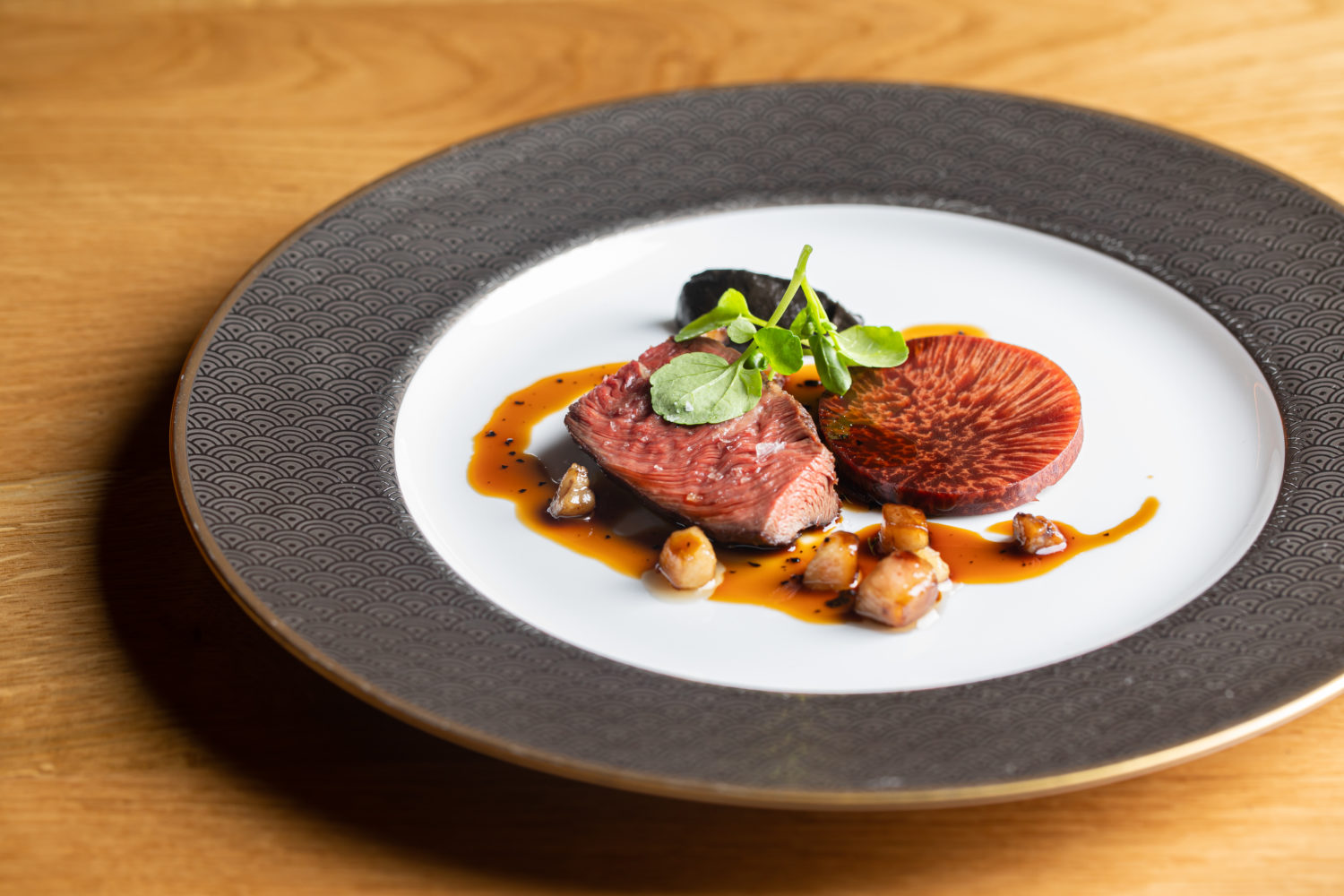
Kitchen Table: The Rarest Sighting
At number 70 sits the booking most likely to require calendar alerts, coordination and a degree of emotional resilience.
Kitchen Table opened in 2012 and currently holds two Michelin stars. Reservations are released for an entire month at once, three months in advance, making the acquisition of two seats feel less like arranging dinner and more like securing a minor cultural event.
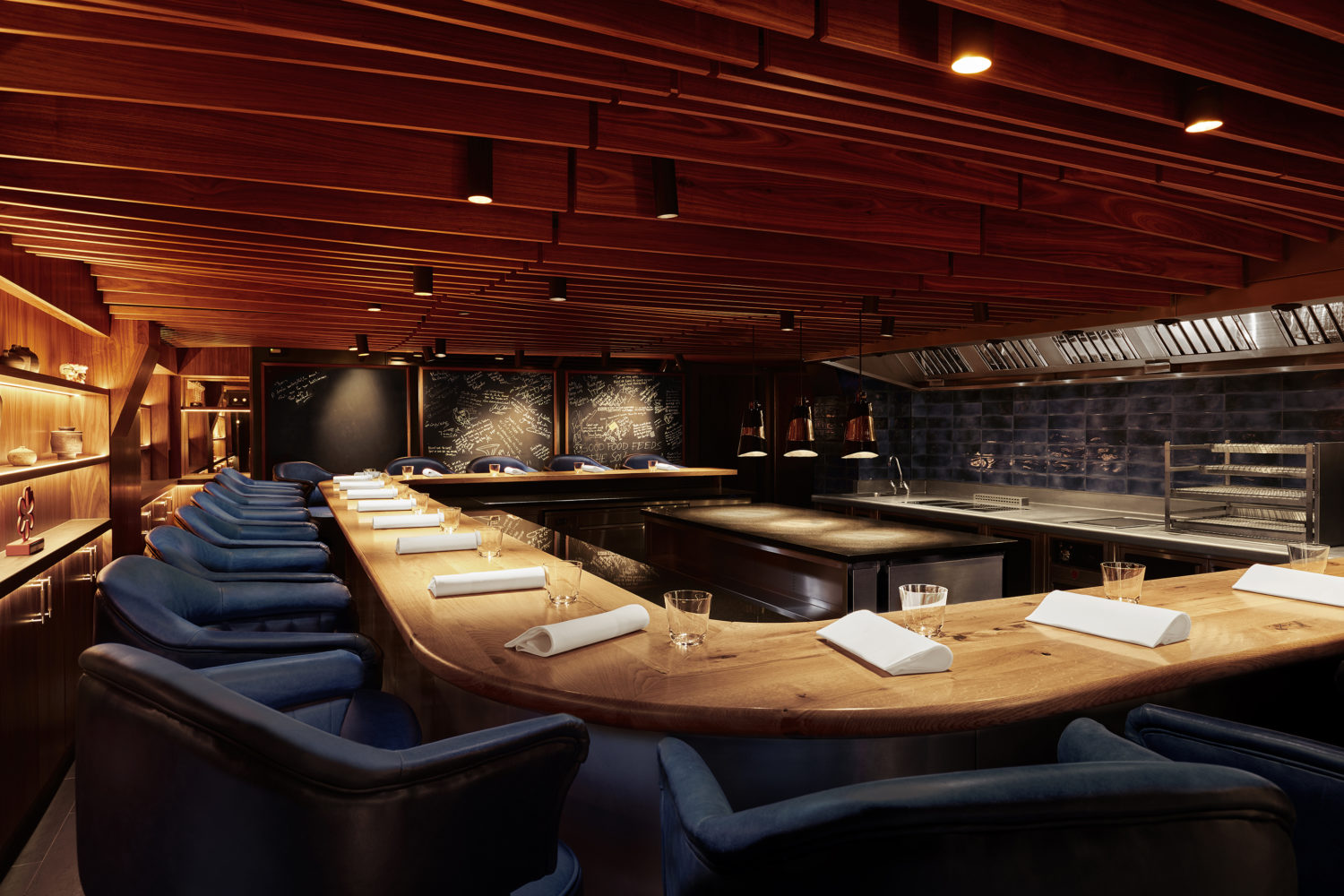
Guests sit around a horseshoe shaped counter while James Knappett and his team prepare and serve the evening’s daily changing tasting menu directly in front of them. Sandia Chang curates the accompanying wine programme, while the open kitchen removes the usual distance between chef and diner.
There is theatre, certainly, but the cooking remains the focus. Every movement can be watched, every plate arrives with context and the usual kitchen doors separating the two sides of a restaurant have effectively disappeared.
Kitchen Table is the rarest of Charlotte Street’s five, not simply because obtaining a reservation requires determination, but because few London restaurants offer this level of access without turning dinner into performance art.
@kitchentable1 | kitchentablelondon.co.uk
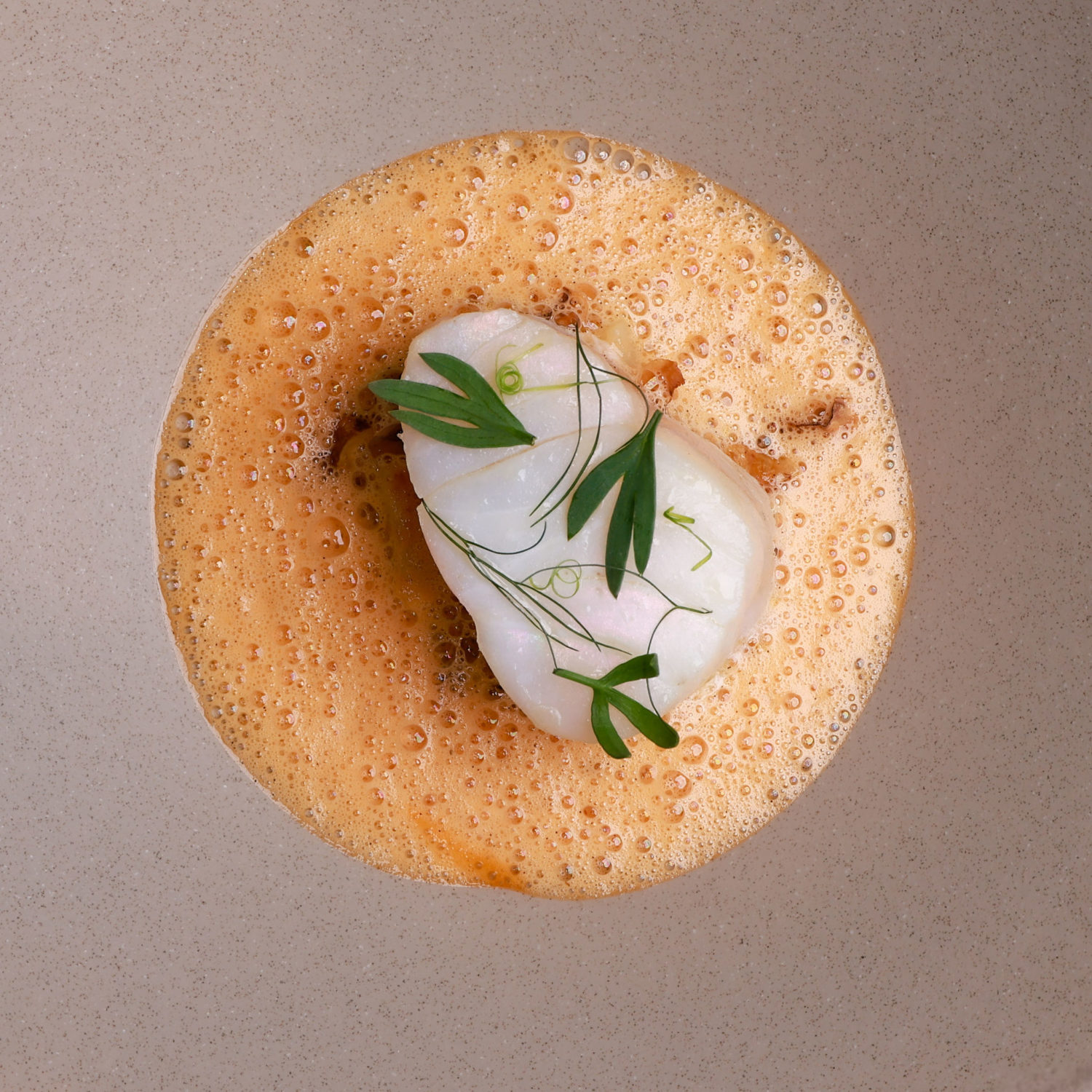
74 Charlotte Street: The New Beast
The route ends neatly at number 74, where Ben Murphy is writing the street’s newest chapter.
74 Charlotte Street combines seasonal ingredients and classical technique with Murphy’s contemporary, playful approach to modern European cooking. It is ambitious but deliberately accessible, trading the hushed reverence sometimes associated with serious dining for warmth, energy and genuine hospitality.
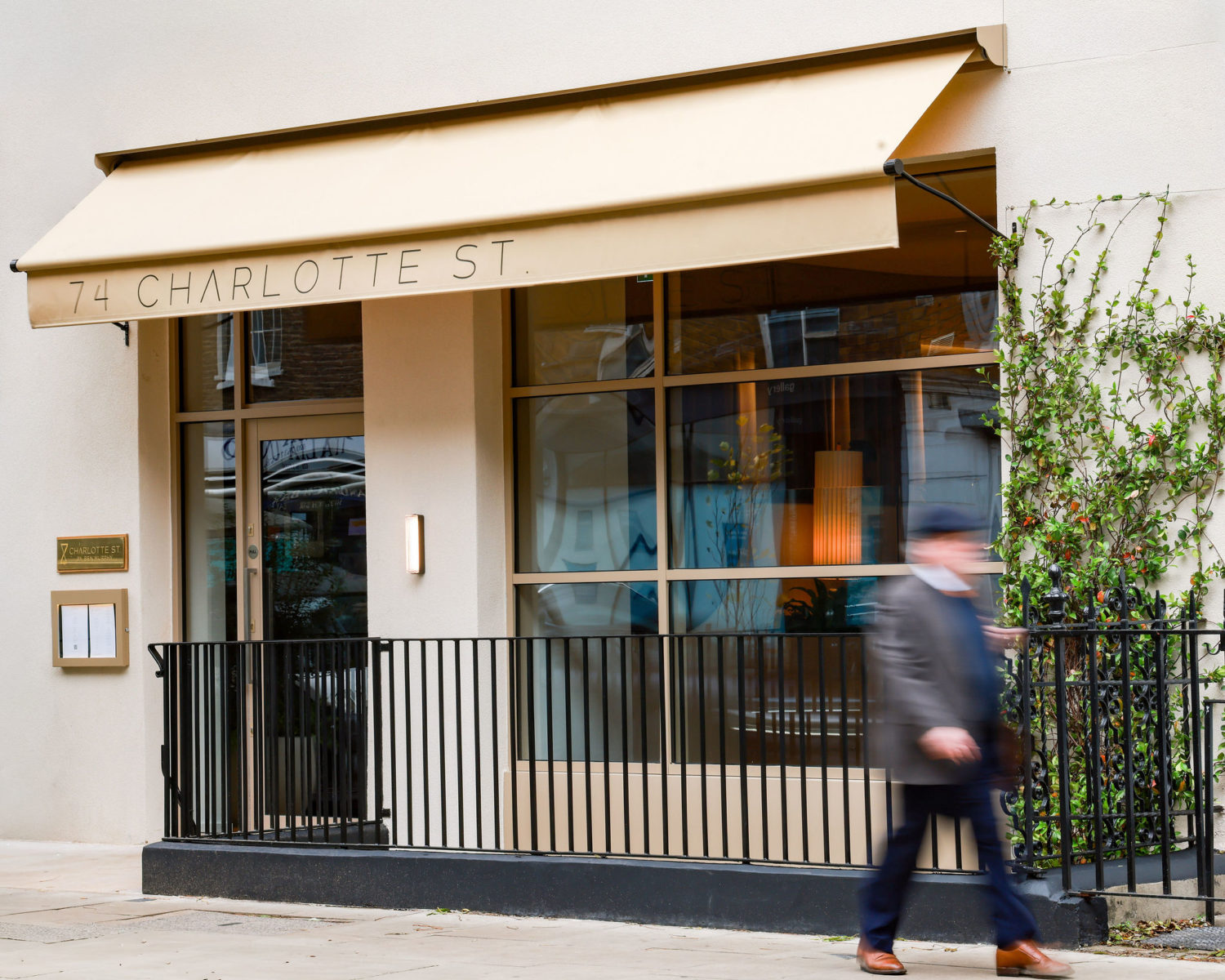
Murphy’s food arrives with technical precision, although never at the expense of personality. Bold flavours, lightness and flashes of wit prevent the cooking from becoming predictable, while the restaurant itself feels built for dinners that continue long after someone has suggested asking for the bill.
As the newest arrival, 74 Charlotte Street has the most to prove. It also brings the Big Five to a satisfying conclusion: a restaurant at the final address on the route, looking confidently towards the street’s future.
@74charlottestreet | 74charlottestreet.com
The Hunt Is On
Charlotte Street’s Big Five share neither a cuisine nor a single interpretation of luxury. That is what makes them worth pursuing.
The Ninth offers Mediterranean generosity without Michelin stiffness. ROKA supplies fire and energy. Kinkally introduces Georgian flavours with a late-night alter ego. Kitchen Table delivers one of London’s most intimate fine dining experiences, while 74 Charlotte Street represents an ambitious new generation.
London diners are conditioned to chase the next opening, postcode or supposedly undiscovered neighbourhood. Charlotte Street is a reminder that one of the capital’s richest dining territories has been in plain sight all along.
The animals may be elsewhere, but the hunt for a table starts here.